Make the 911 call before anything else
If you have just found someone who died alone at home, step back out of the room and call 911. It does not matter that the death seems obvious, or that the person was elderly or had been ill for a long time. When someone dies at home without a doctor or hospice nurse involved, 911 is how the right people get started. If your loved one was enrolled in home hospice, call the hospice nurse instead, since hospice has its own process.
The dispatcher will ask simple questions: the address, who you are, when you last heard from the person, and whether anyone else is inside. Answer what you know and say plainly when you don't know. Police and medics usually arrive first. Stay nearby, outside the room if you can, and keep other relatives from walking in. You are not in trouble for finding someone, and nobody expects you to have every detail straight today.
What police and the Medical Examiner's Office do at the home
Once officers arrive, the home is treated as a place where information is still being gathered. That is routine, not an accusation. Police note what they see and contact the Philadelphia Medical Examiner's Office, which looks into deaths that are sudden, unexpected, or happen without a physician in attendance.
An investigator may come to the home or may work the case by phone with the officers. The Medical Examiner decides whether an examination is needed, arranges for your loved one to be moved with care, and later releases them to the funeral home your family chooses. Ask the officer for a report number and a phone number for follow-up questions. Write both on paper, because your phone will be busy today. How long this stage takes depends on the circumstances, from an hour or two to much of a day, and police will tell you when the home is released back to the family or owner.
What not to touch while the home is still an open scene
Until police release the home, leave things as they are. The urge to tidy, to cover, or to start wiping is very human, and it can cause real problems. Moving items can complicate the investigation, and contact with bodily fluids carries the same bloodborne pathogen risks our technicians guard against with suits, gloves and respirators.
After release, a few things may matter right away: a wallet, keys, important papers, or medications that need safe disposal. Ask police whether you may collect them. If they sit in the affected room, tell us what you need and our crew will recover and clean those items first.
- Pill bottles, medications and anything on the nightstand
- Bedding, furniture or flooring near where your loved one was found
- Phones, notes, mail or computers, unless police hand them to you
- Thermostats and windows, unless an officer says it is fine
- Household cleaners on any stained surface, which can set stains and spread contamination
Pets who were in the home need care today
Pets are easy to overlook in the shock of the moment. A dog or cat may have been alone for days without enough food or water. Check that the animal is safe, offer water slowly, and move it to a relative's or neighbor's home if you can. A vet visit is wise if the pet seems weak, dehydrated or unwell.
If no one can take the animal, police can ask the city's animal care and control shelter to hold it for safekeeping while the family makes plans. Tell officers if you think a pet is hiding inside, since frightened cats often slip under beds or into basements in older rowhomes. Keep pets out of the affected room. Paws and fur can carry contamination into the rest of the house, and animals may disturb the area before it has been cleaned.
If the home is a rental, tell the landlord early
In a rented apartment or rowhome, the landlord needs to hear about the death quickly. They own the structure, they may hold the only spare keys, and restoring walls, floors and subfloor is usually their responsibility or their insurer's. Share the police report number and ask that the unit stay closed until it is cleaned.
In a building with shared walls or a shared hallway, neighbors may already notice an odor. The landlord or building manager can speak with other tenants without sharing private details. If the lease was in your loved one's name, ask how the landlord handles the remaining rent and the return of keys; many will give a family time to make arrangements once the situation is clear. Keep copies of any written messages between you, because they help later with the estate and with insurance.
Why the odor lingers and what not to do about it
Decomposition odor is not an ordinary household smell. It comes from compounds released as tissue breaks down, and those compounds soak into porous materials such as mattresses, carpet, upholstery, drywall and the wood subfloor beneath. In Philadelphia rowhomes, odor can also travel along floor joists and through gaps around pipes into the house next door.
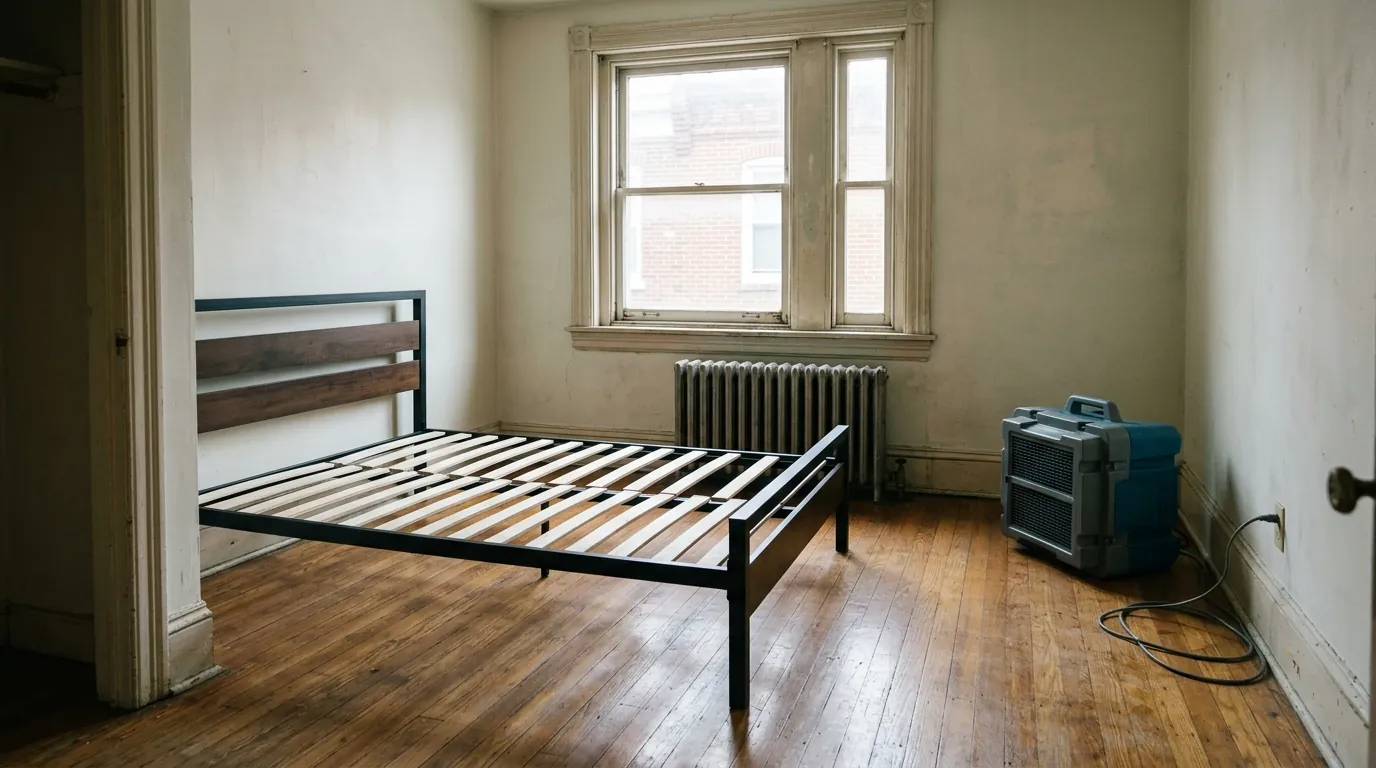
Air fresheners, candles and scented sprays only layer a second smell over the first. Box fans can push contaminated air into clean rooms. Ozone machines sold online can irritate lungs and should never run while people or pets are inside. For today, keep the door to the affected room closed, keep people and animals out, and leave the rest to the cleanup. Lasting odor removal happens only after the source materials are taken out, surfaces are disinfected and sealed where needed, and the air is filtered through HEPA equipment.
When cleanup can begin and what the first visit looks like
Cleanup starts after police and the Medical Examiner's Office release the home, and after the owner, landlord or estate representative gives permission. When you call (267) 699-2329, we ask a few gentle questions about the home, the room, and roughly how long your loved one may have been there, so the crew arrives with the right equipment.
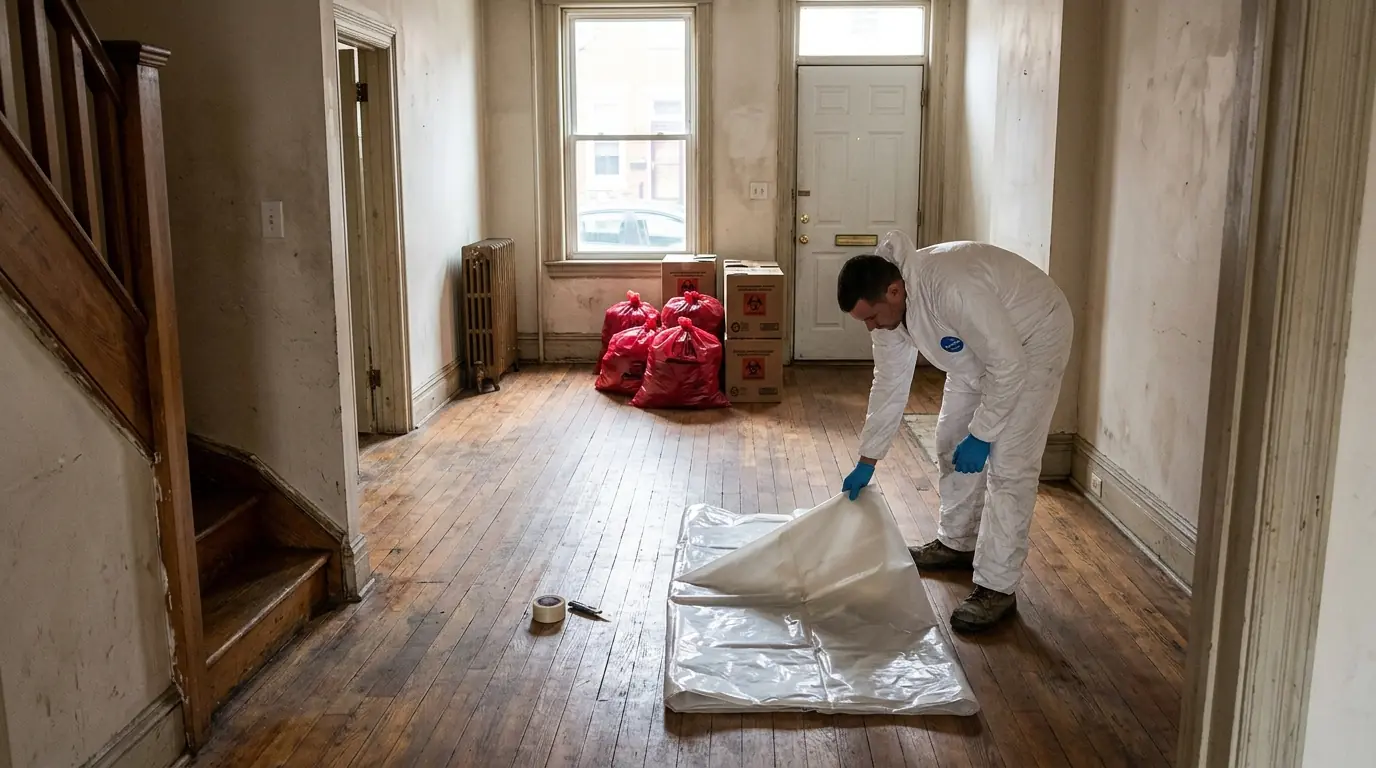
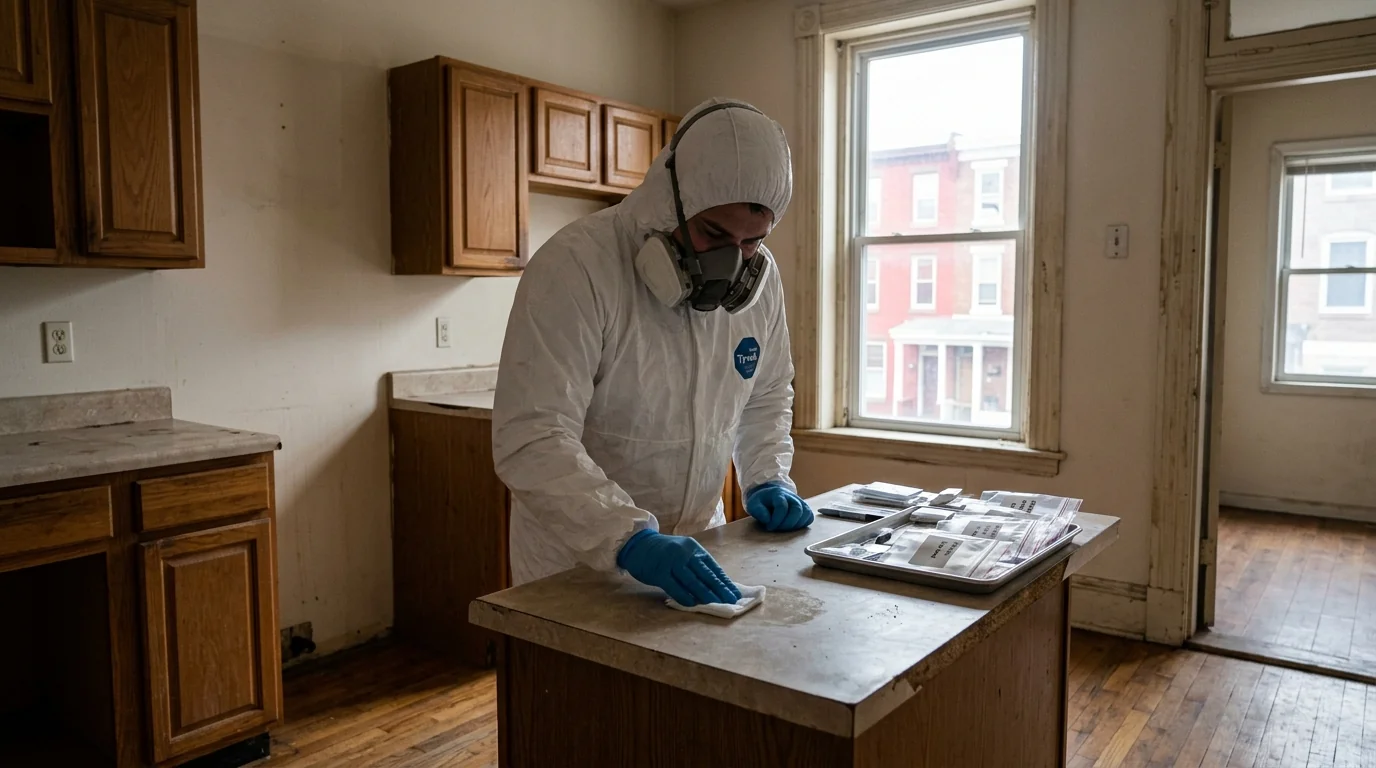
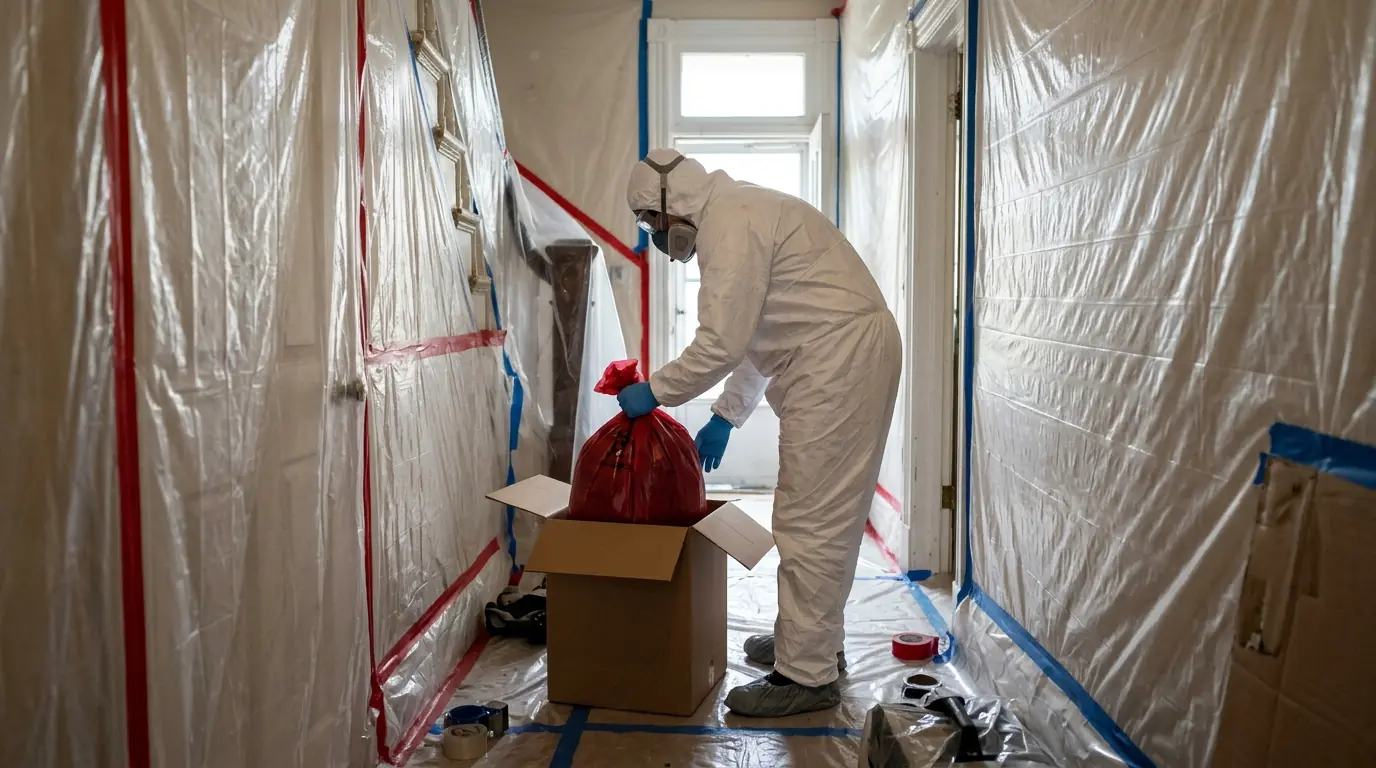
On site, our technicians set up containment with poly sheeting, run HEPA air scrubbers, and remove affected porous materials into sealed red bags and rigid waste boxes bound for a permitted disposal facility. Hard surfaces are cleaned and then disinfected with an EPA-registered hospital-grade product, left wet for its full dwell time. We confirm results with ATP testing before handing the room back. You do not need to be present, and you never need to see the room again before it is clean.
Ellsworth Bristow, Family Resources Editor, writes and updates our family guides from the questions callers ask our technicians every week. Last updated October 16, 2026.