Biohazard and trauma cleanup in Philadelphia
Biohazard and trauma cleanup in Philadelphia, handled with care
When a death, a crime, an overdose or a hoarded home leaves a room you cannot face, call us. A technician answers day and night, explains what happens next in plain words, and takes the cleanup off your hands.
- Answered 24/7, every day
- Offices in Society Hill and Allentown
- Homes, rentals, vehicles and businesses
In the first hour
- Keep everyone, pets included, out of the room.
- Leave the wiping, bagging and scrubbing to us.
- Call (267) 699-2329. We answer at any hour.
Gear and products on our jobs
The cleanup nobody plans for, done quietly in your home
Most people call us on the worst day of a year. A parent was found days after passing. A tenant overdosed in a back bedroom. Detectives just released a rowhome in Kensington, or a family in Bucks County finally asked for help with a house that has been filling up for a decade. In every case the same question comes up first: who cleans this, and how do we keep the rest of the house safe while it happens?
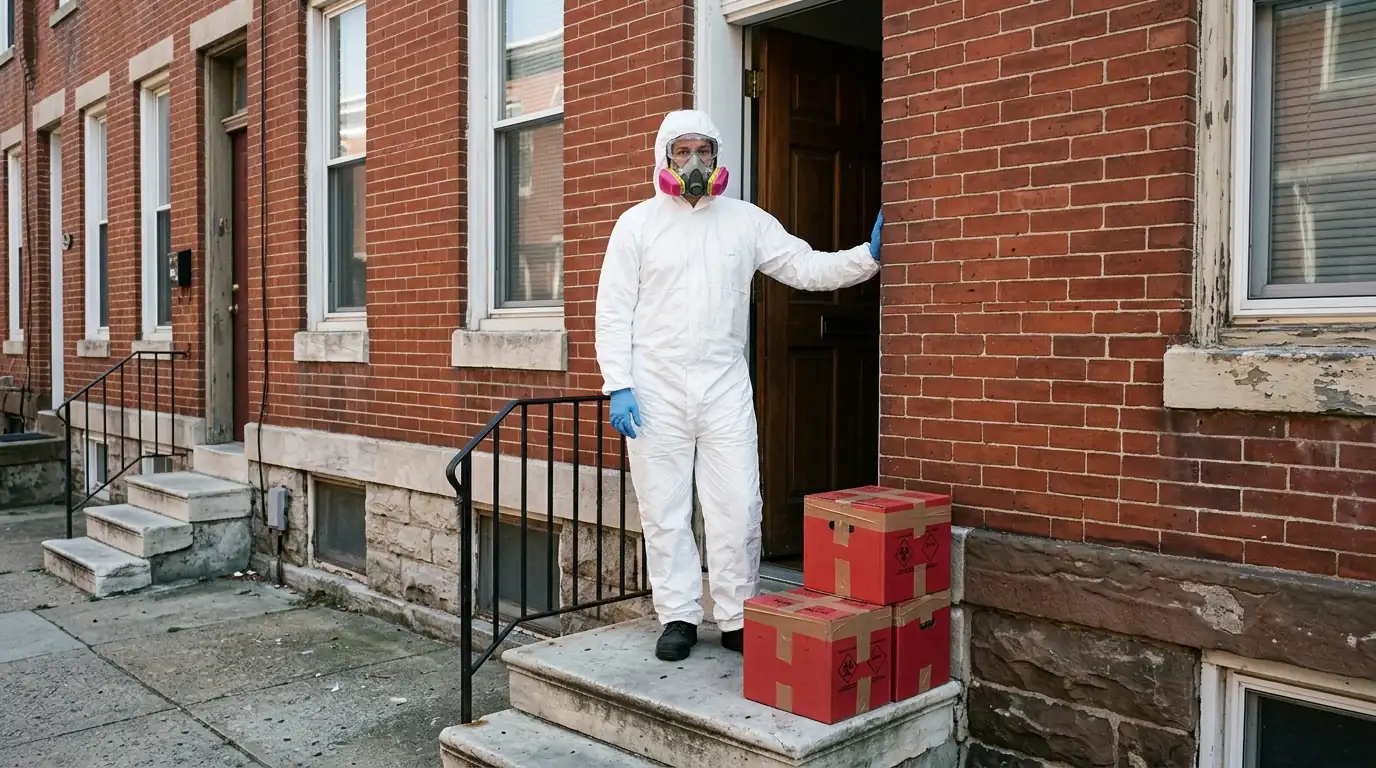
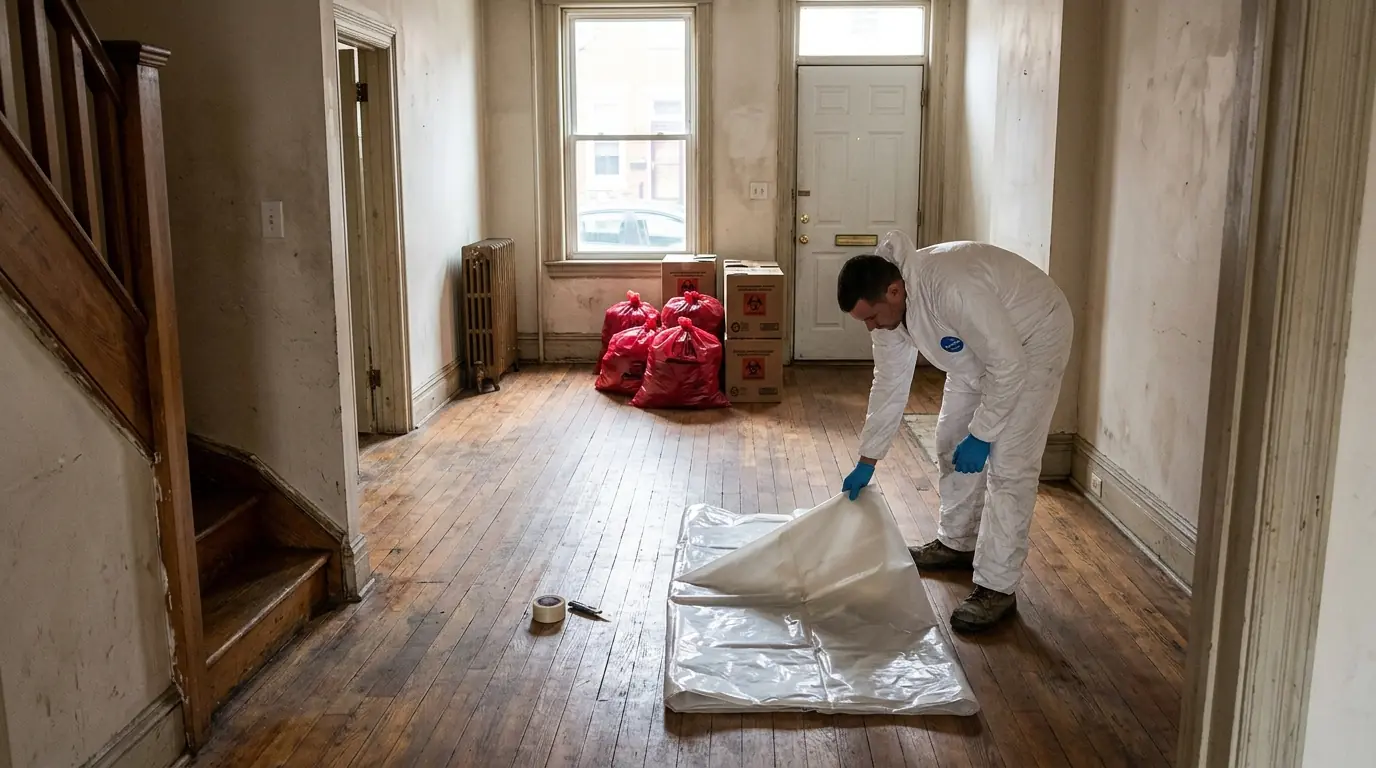
That is the whole of our work. Our technicians remove blood, bodily fluids, contaminated flooring and drywall, sharps, droppings and filth, then disinfect what stays and verify it before we hand the keys back. We work in white Tyvek suits, fitted 3M respirators and Ansell nitrile gloves, seal off the affected rooms with poly sheeting, and carry every bag of waste out in rigid, labeled containers bound for a permitted medical waste facility.
Biohazard First Response runs from two offices: one on St James Place in Society Hill for Philadelphia, the suburbs and South Jersey, and our head office on East Fairmont Street in Allentown for the Lehigh Valley. One phone line reaches both, and it is answered around the clock.
Good to have ready when you call
- The address and who has authority over the property
- Whether police or the Medical Examiner have released the scene
- Which rooms, vehicles or areas are affected
- Any insurance claim number you already have
What happens after you call, situation by situation
Every scene we clean is split into zones: the hot zone where contamination is, a warm zone where gear and waste are handled, and the clean zone you get back. Pick the situation closest to yours.
Unattended death
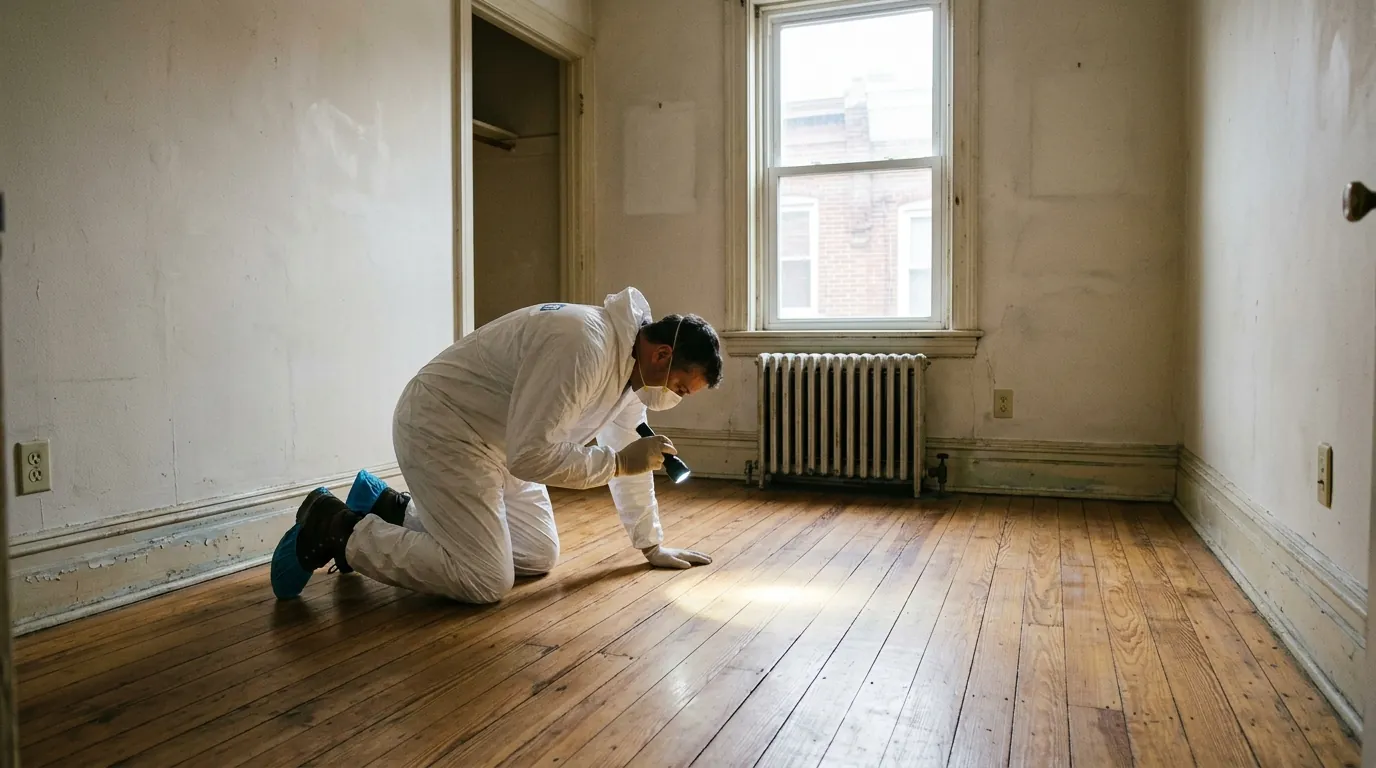
When someone passes alone and is not found for days, fluids and odor travel into flooring, subfloor and walls. The visible stain is usually the smallest part of the job.
Hot zone: what comes out
We remove the mattress, carpet, pad and any subfloor or plaster that fluids reached, sealing each piece as it comes out.
Warm zone: how we clean
Hard surfaces get an EPA-registered disinfectant held wet for its full contact time, then odor treatment starts once the source is gone.
Clean zone: what you get back
You get a room that smells like a room again, ready for family to sort belongings or for a landlord to repaint.
Your first step: confirm the Medical Examiner has released the home, then keep the door closed and call us.
Read about unattended death cleanupCrime or trauma
After police release a scene, everything left behind belongs to the owner again, including blood, glass and fingerprint powder.
Hot zone: what comes out
We clear blood and tissue from every surface it touched, cutting out porous material that cannot be cleaned.
Warm zone: how we clean
Fingerprint powder, chemical residue and splatter beyond the obvious area are traced and cleaned room by room.
Clean zone: what you get back
You get the space back without stains, residue or reminders, and paperwork you can hand to an insurer or the state victim compensation program.
Your first step: wait for detectives to confirm the release, keep children and pets out, and call.
Read about crime scene cleanupSuicide
Families should never have to clean after a suicide. We take the whole task, quietly, and keep the details between us and you.
Hot zone: what comes out
The affected area is contained and every contaminated item is removed with care, including items you may want to keep, which we ask about first.
Warm zone: how we clean
Surfaces are disinfected and checked, and anything salvageable is cleaned and set aside for you.
Clean zone: what you get back
You come back to a room that can be lived in, with no trace of the work left behind.
Your first step: let us handle the room. If you or someone close to you is struggling, call or text 988.
Read about suicide cleanupOverdose and fentanyl
An overdose can leave bodily fluids, paraphernalia and drug residue behind, sometimes in a rental, a car or a business restroom.
Hot zone: what comes out
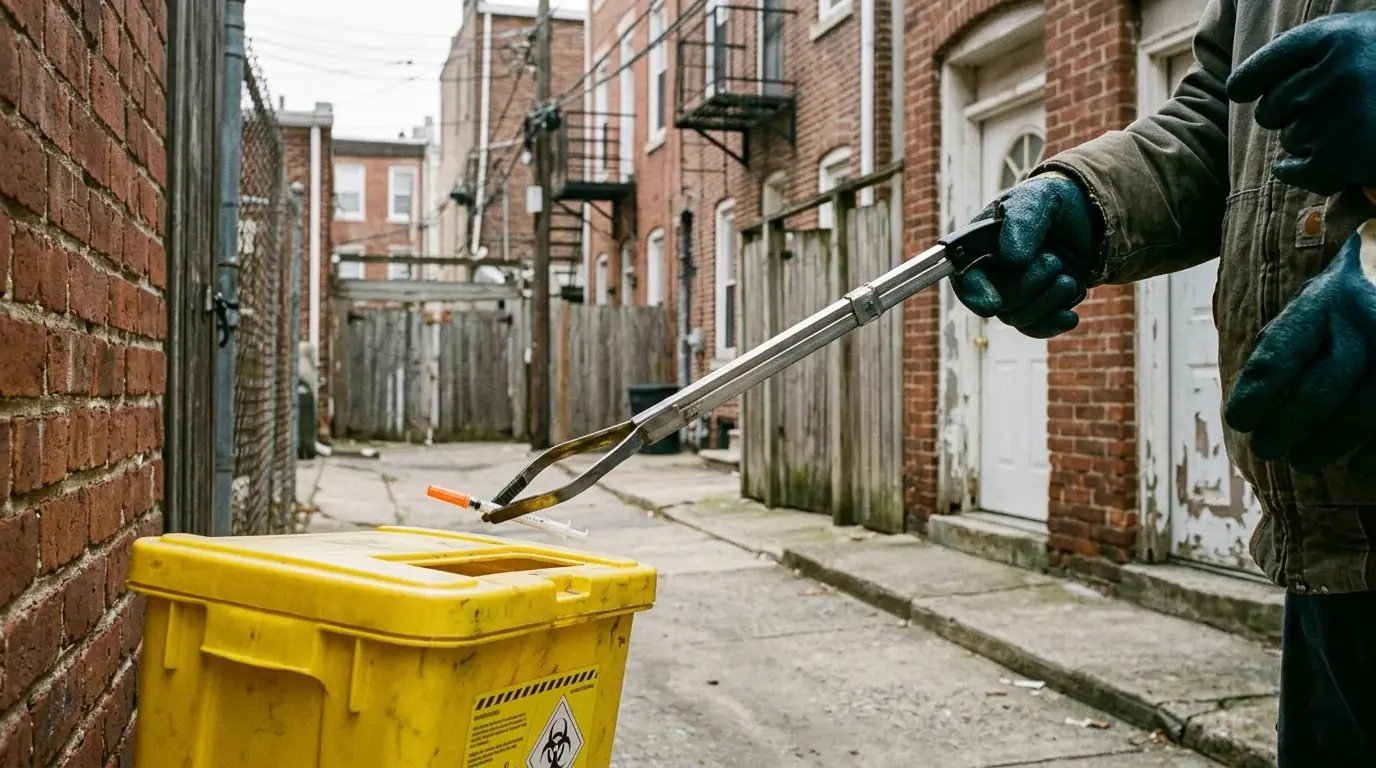
Needles and paraphernalia go into puncture-proof containers, and fluids are removed and treated like any other bloodborne hazard.
Warm zone: how we clean
Surfaces where powder may have settled are cleaned with methods meant for drug residue, and testing can confirm the result.
Clean zone: what you get back
You get a unit that a new tenant, buyer or employee can walk into without worry.
Your first step: do not handle powders or needles yourself; close the space and call us.
Read about fentanyl decontaminationHoarding and filth
Hoarded and neglected homes build up slowly, and so does what is underneath: spoiled food, droppings, urine and blocked exits.
Hot zone: what comes out
We clear walkways and remove contaminated material first, working with the person or family on what stays.
Warm zone: how we clean
Rooms are sorted with you, valuables and papers are set aside, and the rest goes out in the right waste stream.
Clean zone: what you get back
You get a safe, clean house back, often for the first time in years, and a person who still feels respected.
Your first step: talk with the person who lives there, then call us to plan a pace that works for them.
Read about hoarding cleanupSewage backup
When a sewer line backs up into a Philadelphia basement, the water carries bacteria and viruses into everything it soaks.
Hot zone: what comes out
After your plumber clears the line, we pump out standing water and pull wet drywall, carpet and stored items that cannot be saved.
Warm zone: how we clean
Concrete, framing and fixtures are cleaned and disinfected, then fans and dehumidifiers dry the space.
Clean zone: what you get back
You get a dry, disinfected basement and photos for your insurance adjuster.
Your first step: stay out of the water, turn off power to the basement only if it is safe, and call.
Read about sewage backup cleanup37 kinds of cleanup, grouped the way calls come in
From a single blood stain on a car seat to a whole hoarded rowhome, each service below has its own page explaining how the work is done in Philadelphia homes and buildings.
Death & trauma scenes
Drug & public hazards
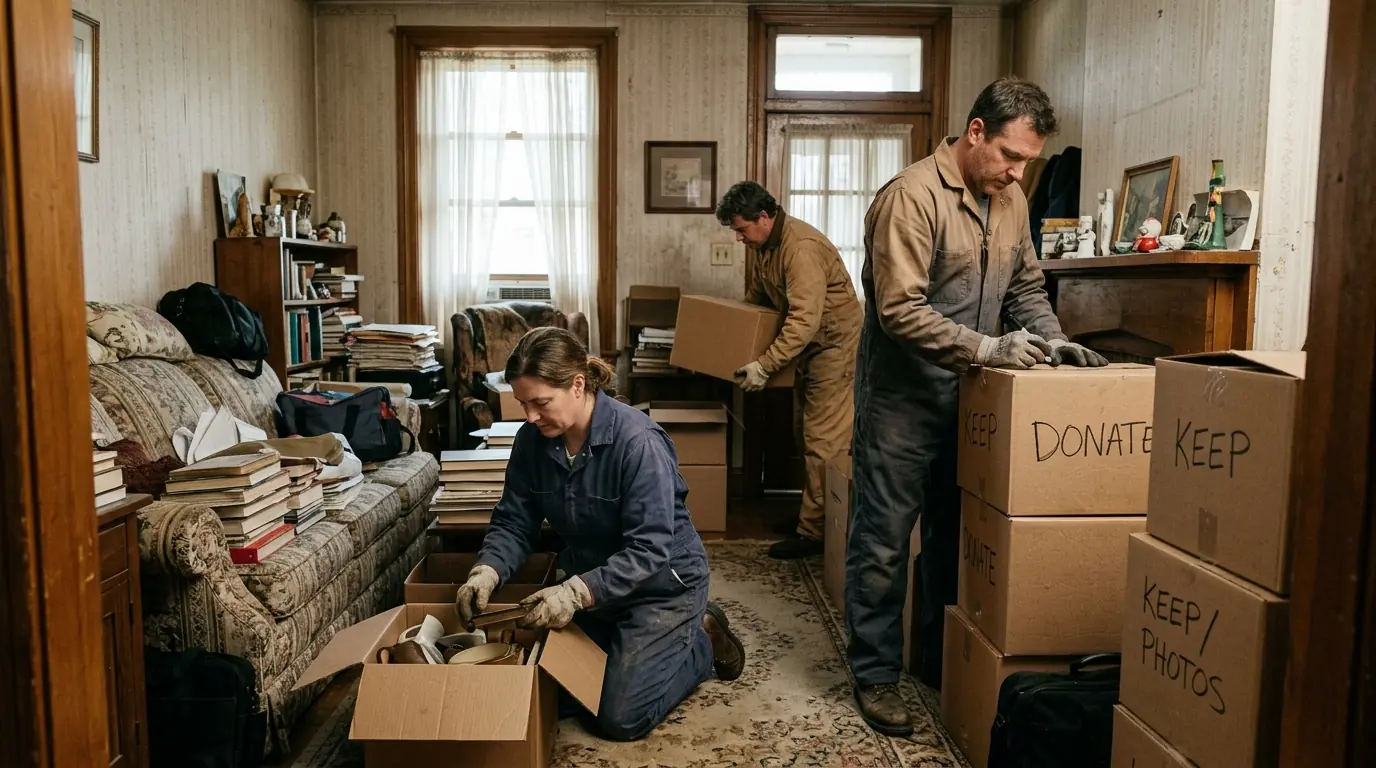
Hoarding & cleanouts
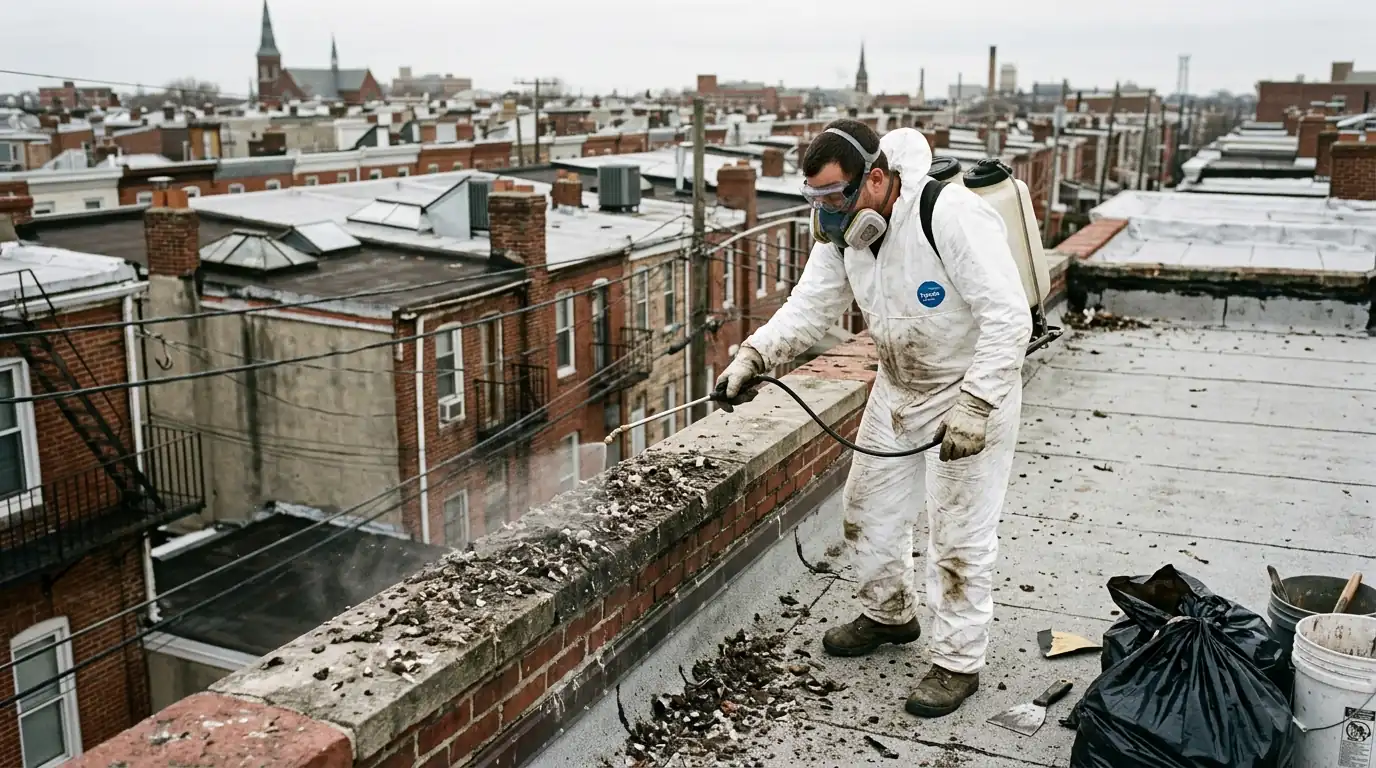
Animal, droppings & odor
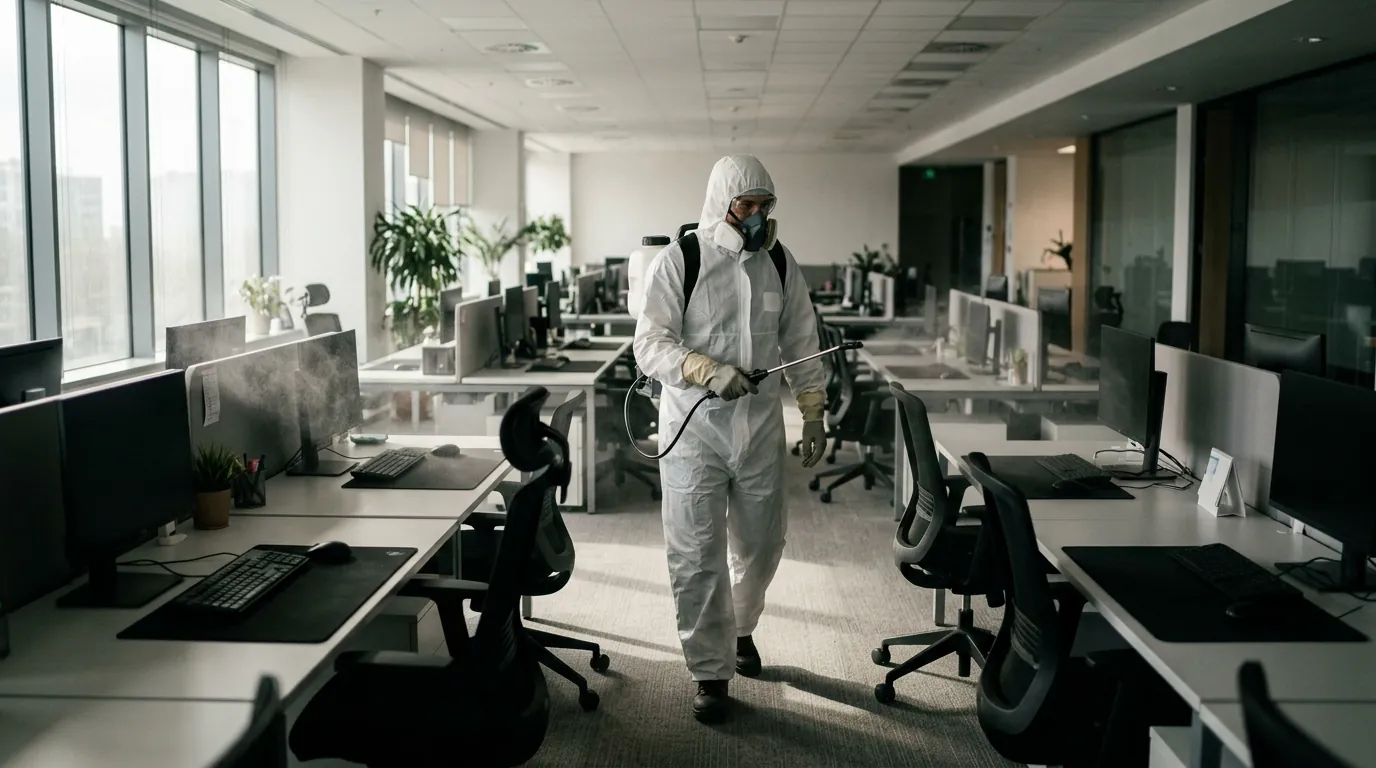
Infection control & testing
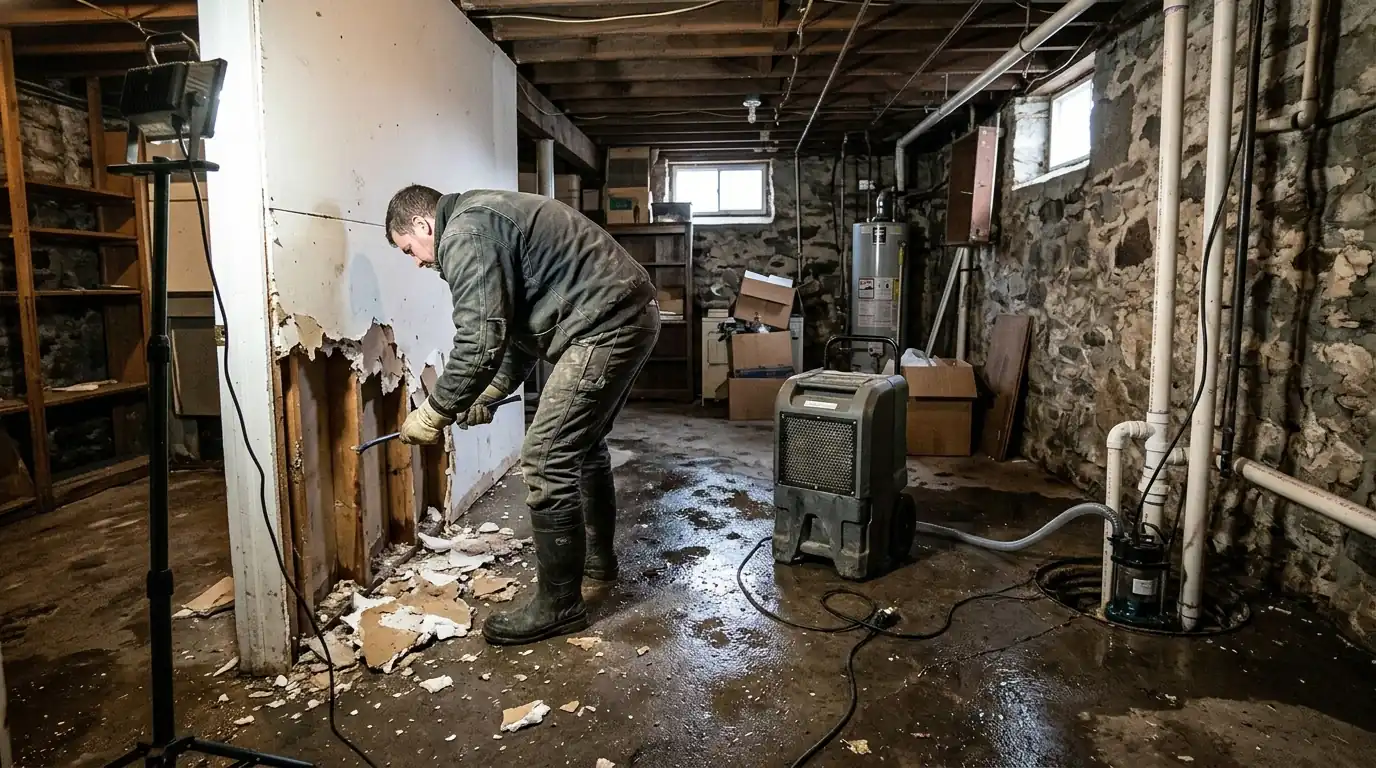
From the first call to a room you can use again
Six steps, moving from the hot zone to the clean zone. Nothing leaves a contaminated room without being sealed, and nothing is thrown away without asking you.
You call, we answer
A technician picks up 24/7, asks a few calm questions and sets a time to come out.
We walk the scene with you
We look at every affected area, explain what must come out and what can be saved, and give you a written scope.
Containment and removal
Rooms are sealed with poly sheeting and negative air, then contaminated material is removed and packed for disposal.
Cleaning and disinfection
Hard surfaces are cleaned, then treated with hospital-grade disinfectant held wet for the full contact time on the label.
Odor control and checks
Once the source is gone, odor treatment begins. ATP swab readings and a walkthrough confirm the work.
Keys and paperwork back
You get the space back with photos, a waste record and the documents your insurer or landlord may ask for.
What families and property managers can count on
The same four things on every job, whether it is a single room in Center City or a warehouse in the Lehigh Valley.
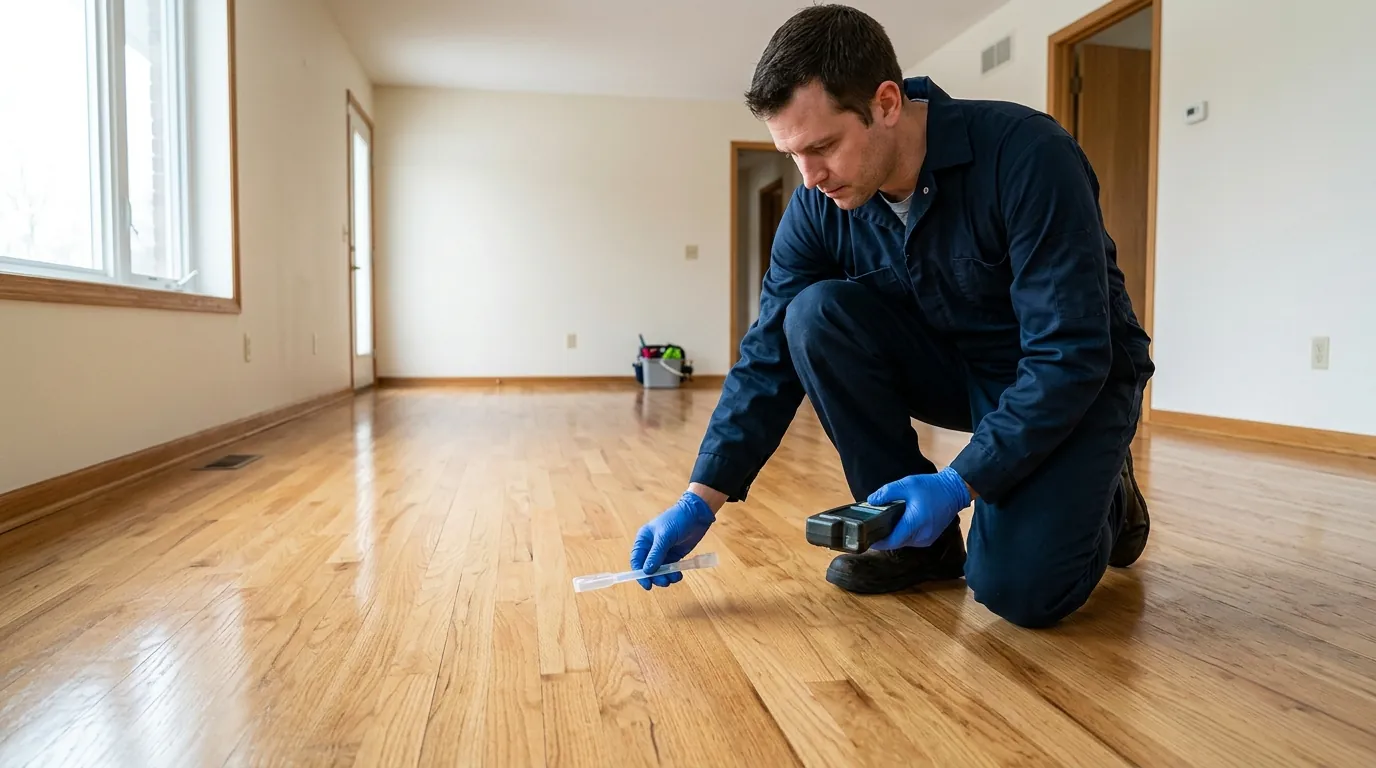
Discretion on your street
We arrive quietly, park close, and keep conversations with neighbors to a minimum. What happened in your home stays private.
Plain answers about cost
You get a written scope before work starts and straight talk about what insurance or victim compensation may cover.
Work done to OSHA rules
Our technicians follow the OSHA bloodborne pathogens standard, from protective gear to how sharps and waste are packed.
A room checked before we leave
ATP swab readings and a final walkthrough with you confirm that surfaces are clean, not just clean looking.
Where our crews go across Philadelphia and beyond
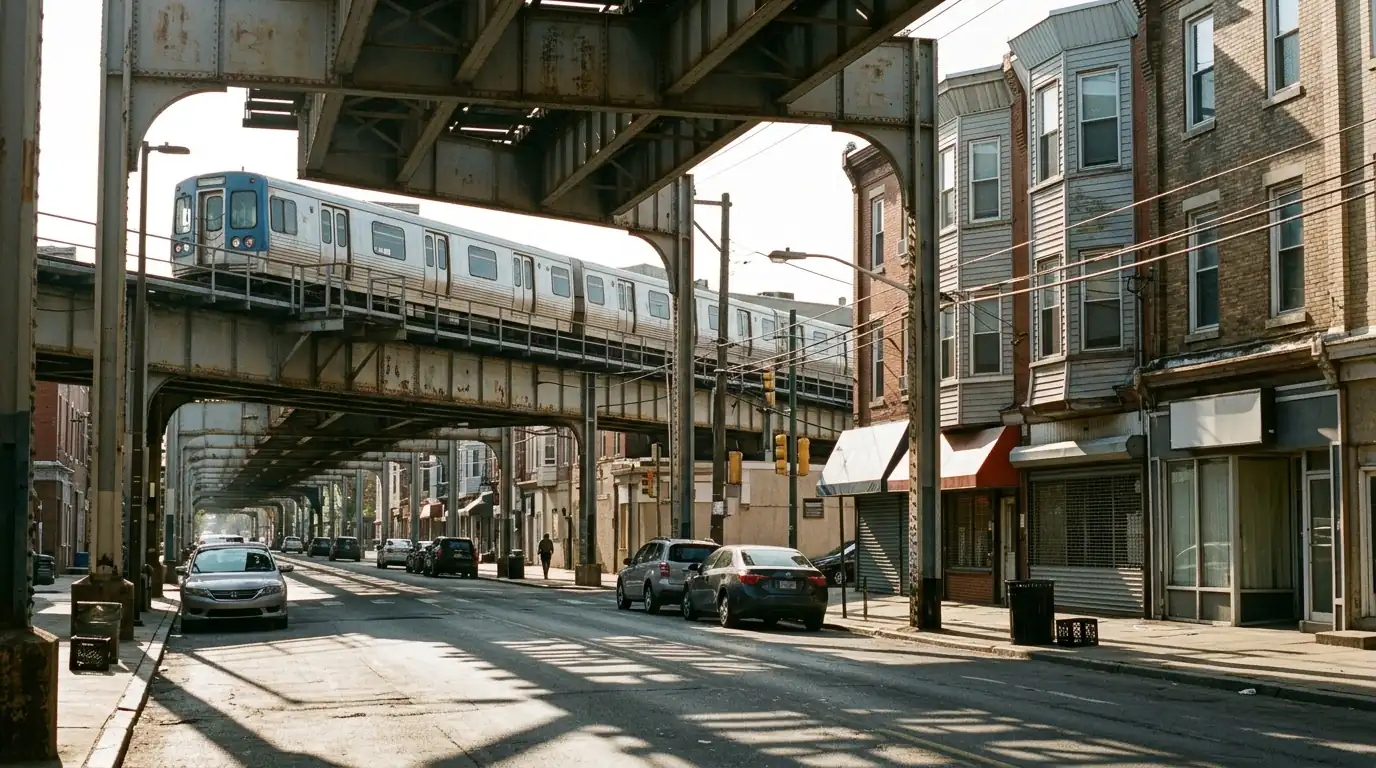
Every Philadelphia neighborhood, the four Pennsylvania suburban counties, the Lehigh Valley, South Jersey, Trenton and Wilmington.
Philadelphia neighborhoods
- Center City
- Kensington
- Fishtown
- South Philadelphia
- West Philadelphia
- North Philadelphia
- Germantown
- Frankford
- Mayfair
- Olney
- Oxford Circle
- Southwest Philadelphia
- Manayunk
- Point Breeze
- Bustleton
- Overbrook
- Roxborough
- Port Richmond
- Logan
- Strawberry Mansion
Counties
- Bucks County
- Montgomery County
- Delaware County
- Chester County
- Lehigh County
- Northampton County
- Camden County
- Burlington County
- Gloucester County
Cities and towns
Plain guides for hard days
Written from the questions callers ask us most. Useful whether or not you ever call.
Questions people ask before they call
How soon can a biohazard crew start at a Philadelphia home?
A technician answers 24/7 and sets a time on that first call. If the scene has been released and a crew is free, work can often begin the same day. If not, we give you a clear time and tell you how to keep the room closed off safely until we arrive.
Do I need to stay at the property while you clean?
No. Many families let us in, sign the work authorization, and leave. We call you with updates, set aside anything personal we find, and walk the finished space with you, or with whoever you choose, when the work is done.
Can relatives clean up after a death on their own?
They can, but we advise against it. Fluids soak deeper than they look, and bloodborne pathogens are a real risk without the right gear and training. Household cleaners also set stains. It is usually safer and kinder to let a trained crew take it on.
Will homeowner's insurance pay for a cleanup after a death or crime?
Often, yes. Many homeowner's and landlord policies cover sudden events such as an unattended death or a crime in the home. We document the work with photos and a written scope, and we can speak with your adjuster. Victims' families may also qualify for Pennsylvania's victim compensation program.
Do your crews travel outside the city of Philadelphia?
Yes. Our Society Hill office covers Philadelphia, Bucks, Montgomery, Delaware and Chester counties, plus Camden, Burlington and Gloucester counties in New Jersey, Trenton and Wilmington. Our Allentown head office covers Lehigh and Northampton counties.
How is the price for a biohazard job worked out?
Price depends on how far contamination spread, which materials have to be removed, how much waste is produced, odor treatment and testing. We look at the scene first, then give you a written scope so the number never comes as a surprise.
One call starts it. We answer at any hour.
Tell us what happened and where. A technician will explain the next steps and set a time, then take it from there.