How we work inside Center City high-rises and condo buildings
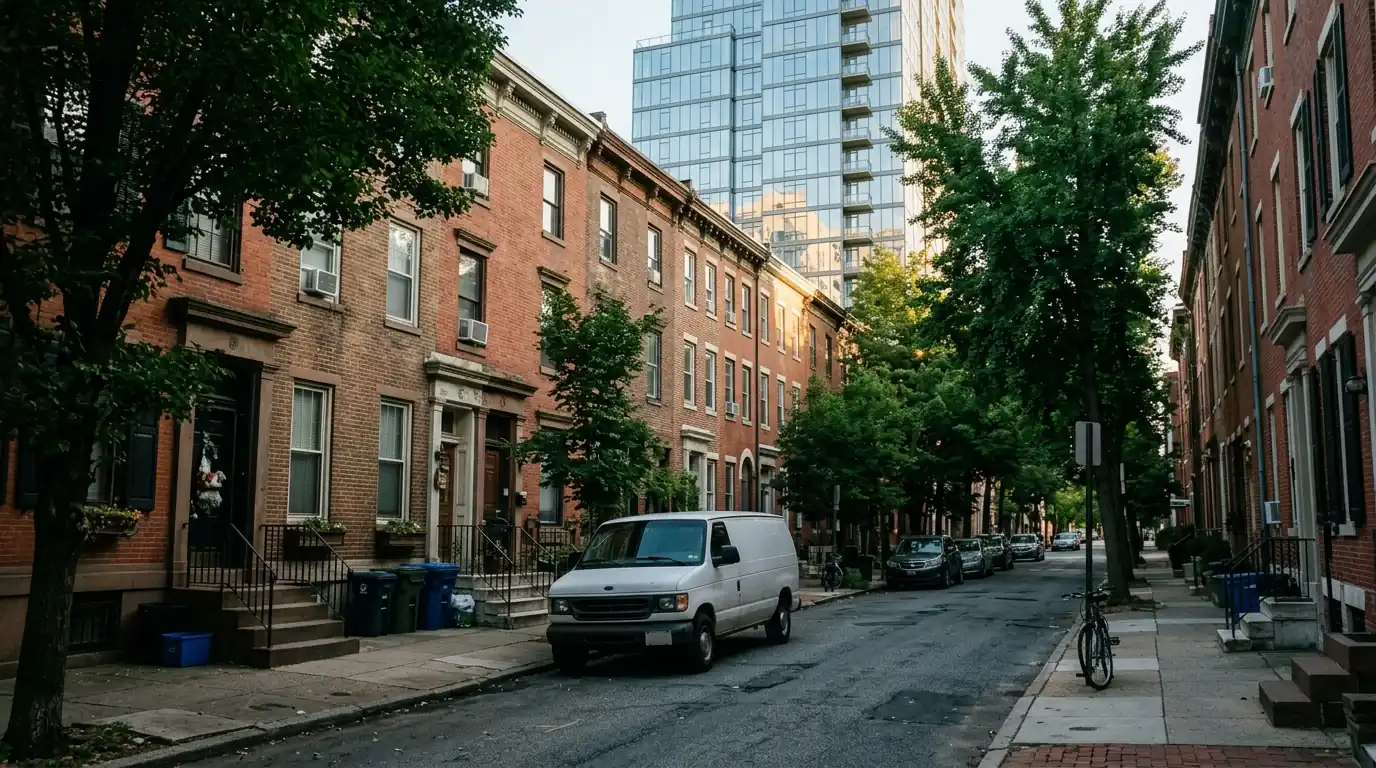
Most calls west of Broad Street come from vertical buildings: condo towers around Rittenhouse Square, older apartment houses along Spruce and Pine, and newer glass towers near the Schuylkill. Each one has a manager, a front desk and house rules about when contractors can move through the lobby. We ask for those rules on the first call, then plan around them. That usually means reserving the freight elevator, laying floor protection from the service entrance to the unit, and wrapping sealed waste containers before they leave the floor.
Inside the unit, the work looks much like it does in a rowhome, only tighter. We set up poly sheeting and negative air with a HEPA scrubber so odor and particles stay out of shared corridors and ventilation. Carpet, pad and upholstered furniture that absorbed fluids are cut out and packaged. Hard surfaces get an EPA-registered hospital-grade disinfectant left on for its full dwell time. Neighbors on the floor usually notice little beyond a covered cart and a closed door.
Cleanup calls we answer most in Center City
Hotel rooms, offices and garages near City Hall
Center City holds much of the region's hotel and office space, and both see biohazard events that have nothing to do with crime. A guest falls ill overnight, an employee is badly hurt in a stairwell, or a car in a parking garage needs cleanup after a medical emergency. Managers want the room or floor back in service quickly, without fuss in front of guests or staff.
We work around those needs. For hotels, we can enter through a loading dock, clean the room and any affected corridor carpet, and document what was removed so the property has a record. For offices along Market Street and JFK Boulevard, we often work after hours so the floor is ready by morning. Garage and loading dock jobs get the same treatment as a room: contained, disinfected and tested. Every contaminated item goes into red bags or rigid containers and travels to a permitted facility under Pennsylvania DEP rules, never into a building dumpster.
Why older Center City rowhouses need a closer look
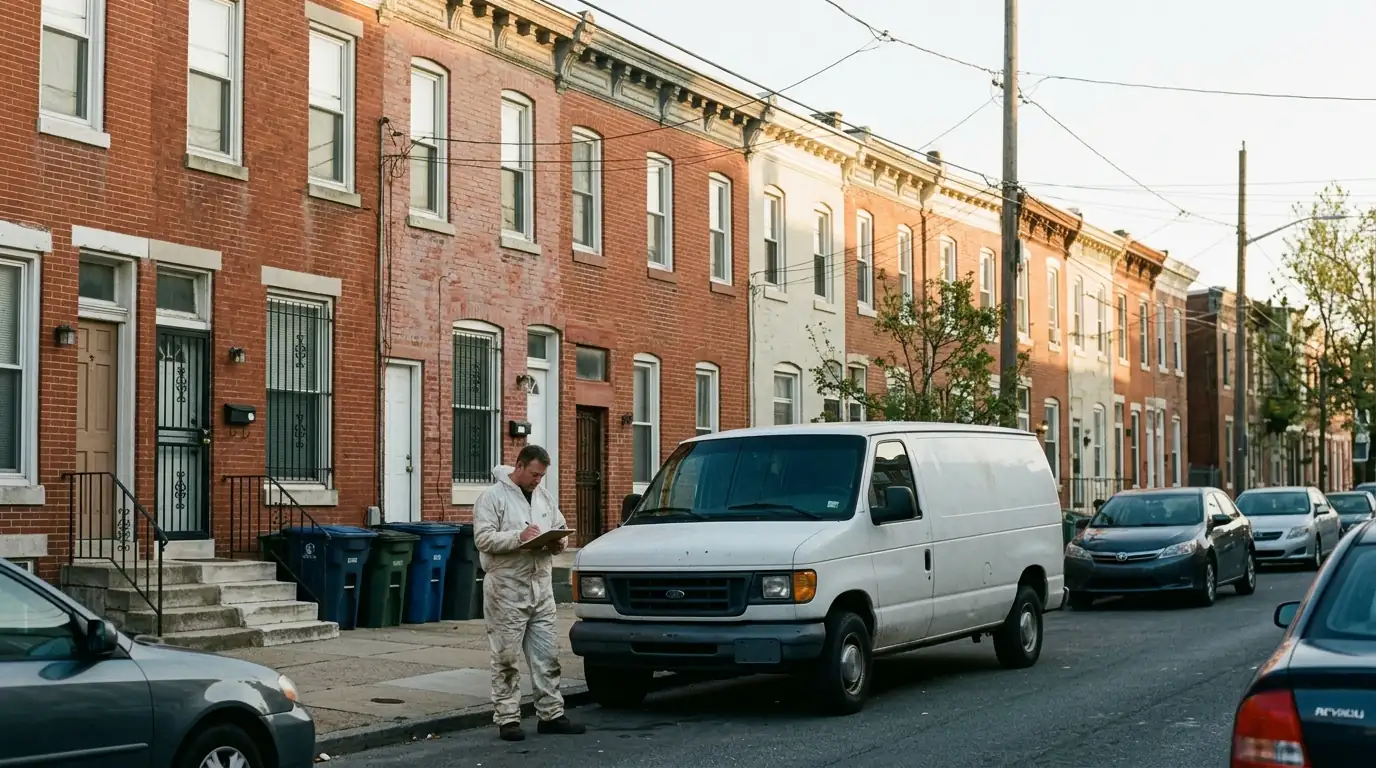
Not every downtown home is a tower. Many blocks around Rittenhouse and Fitler Square still have nineteenth-century brick rowhouses, some split into apartments and some kept as single homes. These buildings often have original wood floors over joists, plaster walls and layers of old finish. Fluids that reach wood or plaster can travel below the surface, into seams, subfloor and the cavity beneath.
We check those paths before we call a room clean. That can mean lifting floorboards, opening a section of plaster or pulling baseboard to reach what soaked through. We keep removals as small as the contamination allows and tell you exactly what was opened, so your carpenter or painter can restore the finish afterward. Basement kitchens and back stairs in these houses get the same check, since fluids and odor can follow a drain line or a gap in the floor. When we finish, we run ATP surface tests on the treated areas and share the readings with you.
Who to call first after a death or injury downtown
If someone is hurt or may have died, call 911 before anything else. Philadelphia Police and, when needed, the Medical Examiner's Office will take charge. Cleanup can begin only after police release the unit or room. Until then, it's fine to step out, close the door and let the building manager know so they can limit access. Please don't try to clean anything yourself, even a small spot, because fluids can carry bloodborne pathogens.
After release, call us at (267) 699-2329. We answer 24/7, and the drive from Society Hill into Center City is short. We walk the space with you or your manager, explain what we will remove and what can stay, and point out what your insurer is likely to review. For violent crimes, eligible families may be able to apply to Pennsylvania's Victims Compensation Assistance Program for help with cleanup costs. Commercial owners usually route the job through their property or general liability carrier.