Why the word sudden matters so much to your insurer
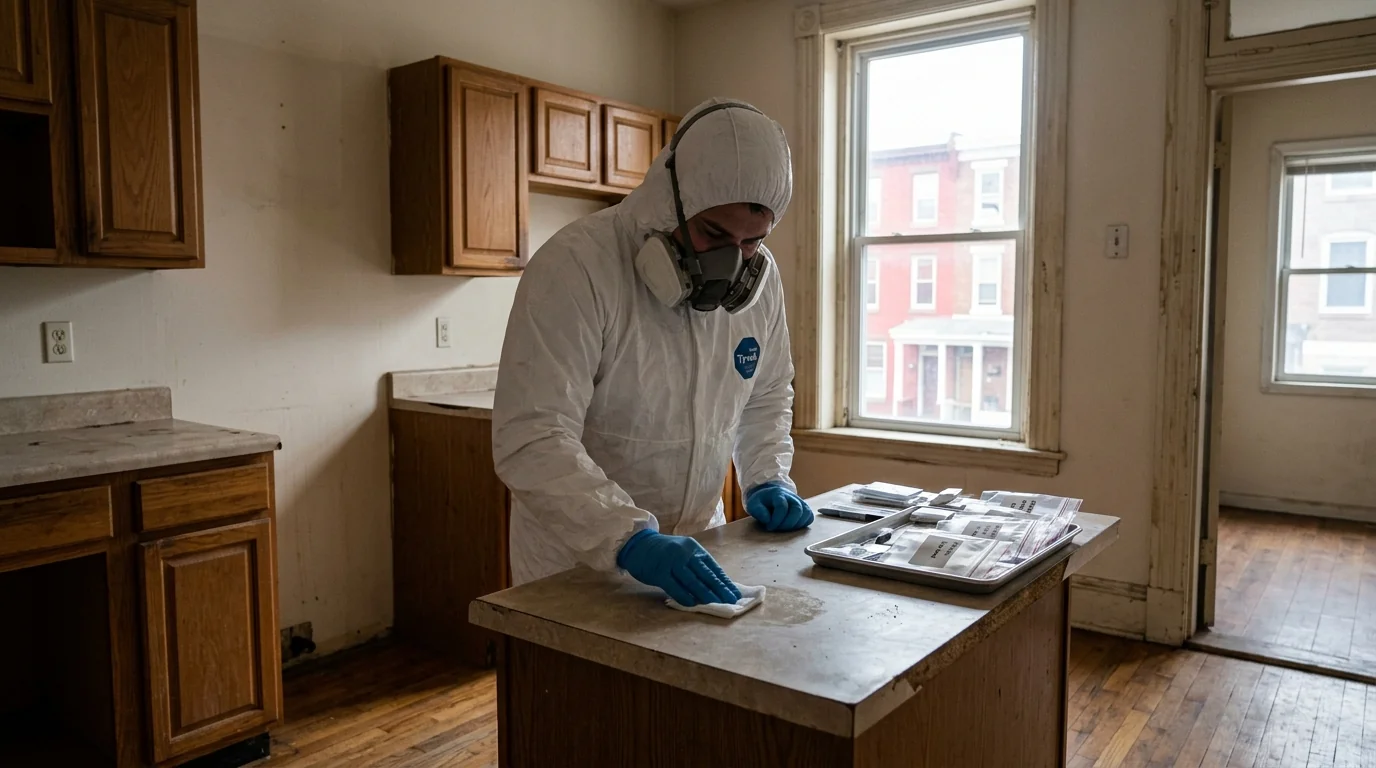
Most property policies are built around one idea: they pay for sudden, accidental damage, not for wear, neglect or problems that built up slowly. A death, an injury, a suicide or a crime inside the home usually fits the sudden category, even when it was discovered days later. The cleanup is treated as repair of physical damage to the house, much like the aftermath of a burst pipe.
Gradual conditions are a different story. Hoarding that developed over years, rodent droppings in an attic, or slow sewage seepage are often excluded or limited. Some policies cover a sewer backup only if a specific endorsement was added. None of this is a final answer for your home, because policy language varies between insurers. Read the declarations page and the section on covered perils, or ask your agent to point you to them. Look for the words sudden, accidental, gradual and neglect, and for any pollutant or contaminant exclusions.
How homeowner's coverage usually applies to a death or injury at home
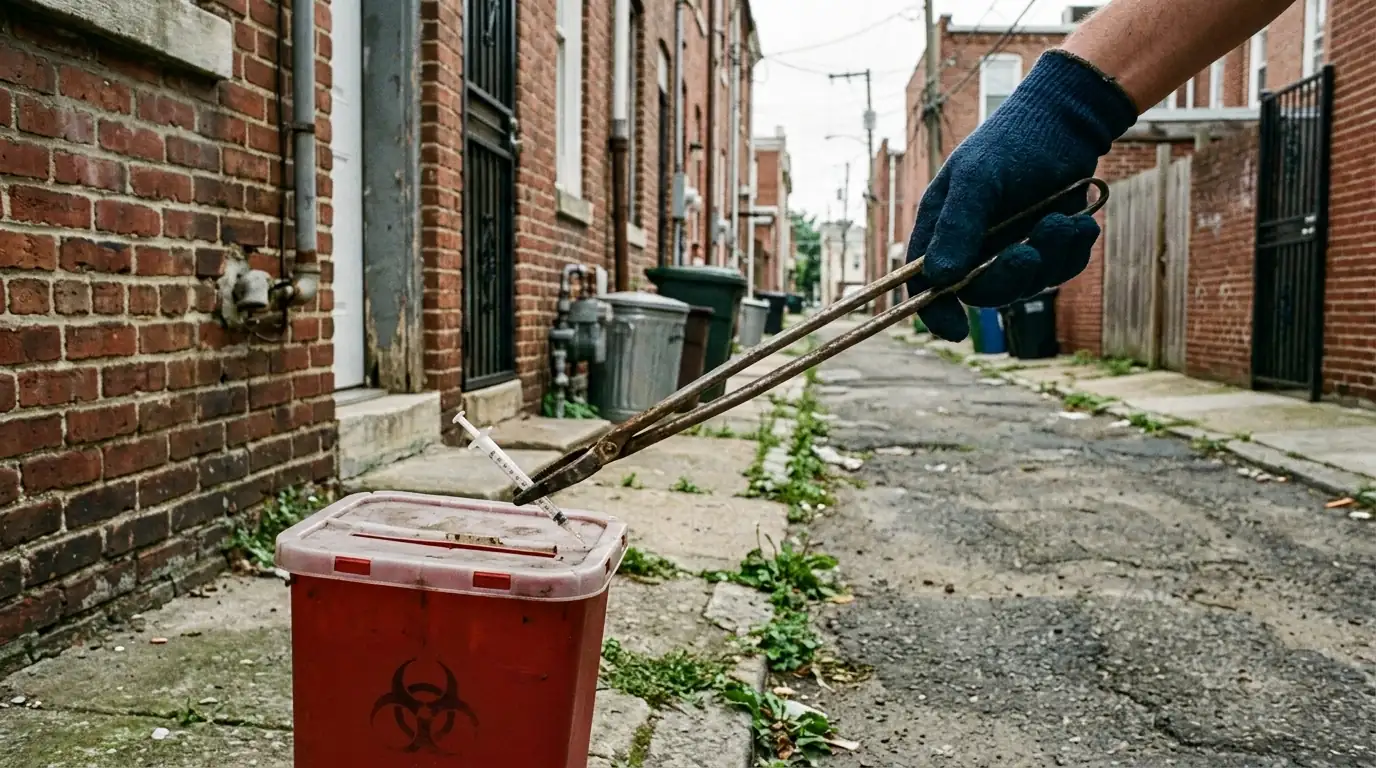
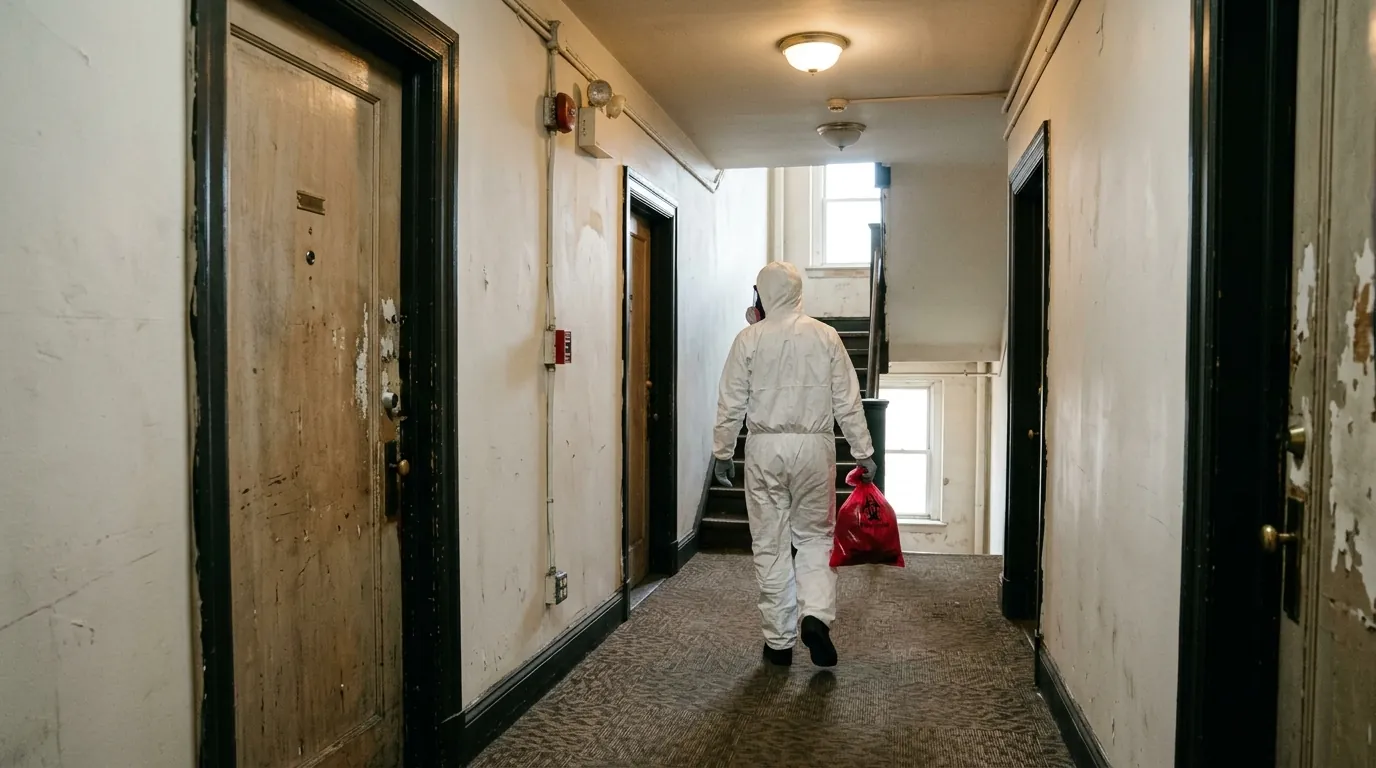
When a policy responds, it generally pays for the work needed to make the structure safe again: removing affected flooring, drywall and fixtures, cleaning and disinfecting surfaces, treating odor, and disposing of the waste properly. Personal property like furniture, a mattress or clothing may fall under the contents portion of the policy. Your deductible applies, just as it would for a fire or water claim.
Some policies place a sublimit on certain kinds of cleanup. Others add loss of use coverage if you can't live in the home while the work is done. We never promise what any insurer will pay. What we do is describe the scope clearly, so the adjuster can see exactly what was removed and why. In our experience, clear records shorten the back and forth more than anything else.
What renters' and landlords' policies each cover
In a rental, two policies may be involved, and they cover different things. A renter's policy protects the tenant's belongings and sometimes their personal liability. It rarely pays to repair the building itself. If a tenant dies or is hurt in a Philadelphia apartment, the walls, floors and subfloor belong to the landlord, so the landlord's property policy is usually the one that responds to structural cleanup.
The renter's policy can still matter for the tenant's furniture and personal items, or for temporary housing if the tenant survived and can't stay in the unit. Landlords with several units often carry dwelling or commercial policies that read differently from a typical homeowner's policy, so it helps to have the actual document in hand. When the owner and the family are both dealing with the same event, decide early who is filing what, and give each insurer the police report number.
Documentation that helps an adjuster make a decision
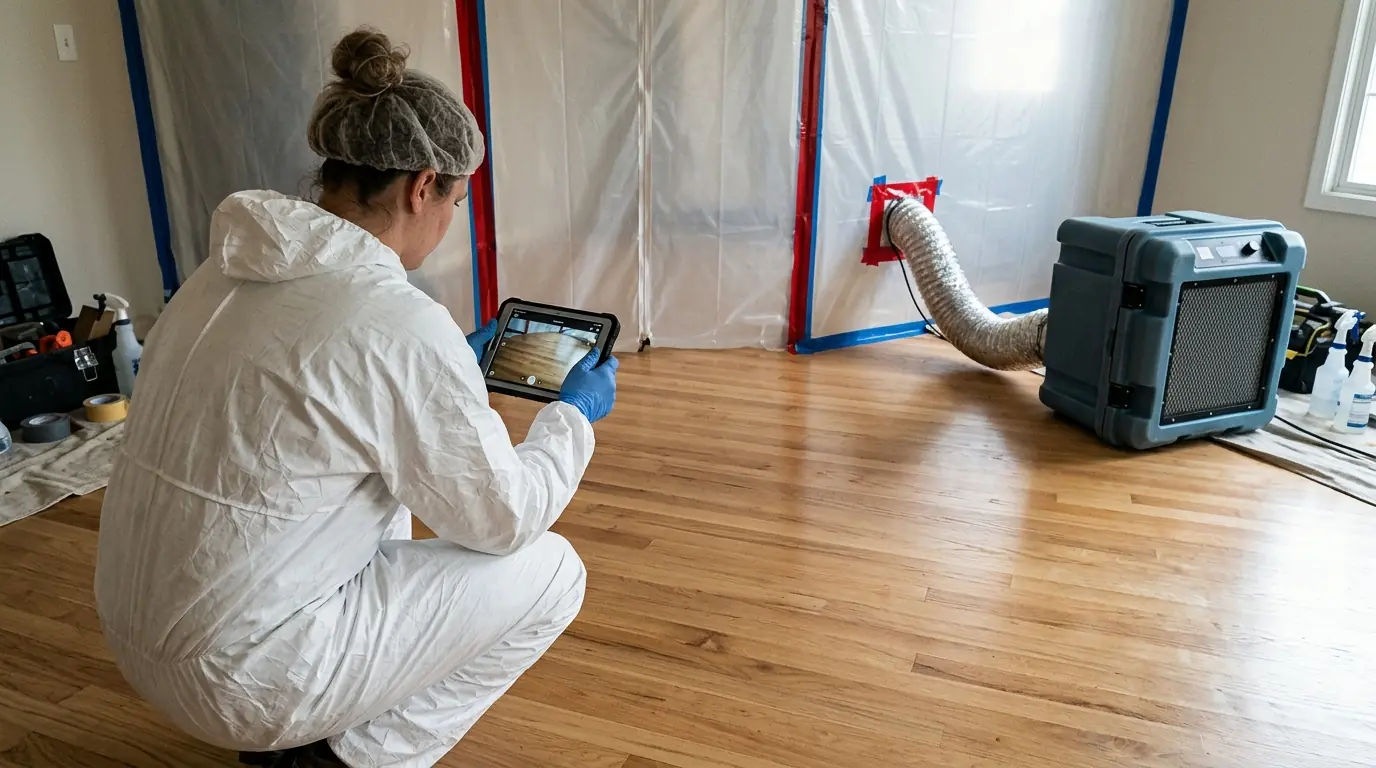
Insurers decide on facts. The more clearly the event and the work are recorded, the easier that decision becomes. You don't need to photograph a difficult room yourself, and you shouldn't go back in to try. Our crew documents affected areas before, during and after the work on every job.
Call your insurer once police release the home. Ask whether they want to inspect before work starts, or whether photos and a written scope will be enough. Some insurers rely on photos when a room is unsafe to leave untouched.
- The police report or incident number and the date of the event
- Your policy number, and the claim number once you file
- Photos of affected areas taken by the cleanup crew
- An itemized scope listing materials removed and areas treated
- Waste disposal records showing the material went to a permitted facility
- Clearance results, such as ATP readings, showing surfaces were verified clean
Working with the adjuster without feeling rushed
An adjuster may call within a day or two, or it may take longer. You can let our office answer the technical questions about what was removed and why, while you keep control of decisions about the policy itself. Ask the adjuster to put anything you don't follow in writing.
An insurer may suggest a cleanup company, but you can usually choose who works in your home; ask the insurer to confirm what your policy says. Before any work begins, we explain the scope and ask you to sign an authorization. With your permission, we bill the insurer directly for covered work, and you remain responsible for the deductible and anything the policy excludes. If a claim is denied, ask for the reason in writing along with the policy language they relied on. A denial is sometimes reconsidered once missing details are supplied.
How Pennsylvania VCAP can help families of crime victims
When the event was a crime, such as a homicide or an assault, Pennsylvania's Victims Compensation Assistance Program may help. VCAP is run by the Pennsylvania Commission on Crime and Delinquency, and it can reimburse certain out-of-pocket losses for eligible victims and their families. Crime scene cleanup of a residence is among the costs it may consider.
VCAP is generally a payer of last resort, so insurance is applied first and the program looks at what remains. Eligibility rules include reporting the crime to police and filing within set time limits, and the program caps what it pays. Victim advocates, including those at the Philadelphia District Attorney's Office and community victim service agencies, help families apply at no charge. Keep our itemized invoice and the police report together, since both are typically part of the claim. VCAP usually does not apply to a suicide or a natural unattended death, because no crime occurred.
Paying for cleanup when no coverage applies
Sometimes no policy fits. The home was uninsured, the event falls under an exclusion, or the total sits inside the deductible. In those cases, the cost depends on factors you can see and discuss: the size of the affected area, how far materials soaked through to subfloor or framing, how long the scene sat before discovery, the volume of waste, and access, such as narrow rowhome stairs or a third-floor walkup.
Ask any cleanup company for a clear scope before work starts, and ask what could change it. When the death happened in a home that is now part of an estate, the cost may be paid from the estate, and the executor or estate attorney can confirm how. We talk through these factors honestly on the first call and won't begin until you understand what is involved.
Ellsworth Bristow, Family Resources Editor, writes and updates our family guides from the questions callers ask our technicians every week. Last updated October 16, 2026.