First, let the authorities finish and release the unit
Often a landlord learns of a death through a welfare check, a neighbor's call about a smell, or a family member who could not reach the tenant. If you are the one who finds the person, call 911 and step back out of the unit. Philadelphia Police will respond, and in many cases the Philadelphia Medical Examiner's Office takes custody of the person who died and investigates the cause.
Until the police and the Medical Examiner are finished, the apartment is not yours to enter or clean. Ask the responding officer when the scene is released and whether anything was taken as evidence. Write down the officer's name, badge number and the incident or report number. You'll need that number later for the family, for your insurer and possibly for the estate.
Reaching the family and the estate
Police or the Medical Examiner usually notify the legal next of kin. Avoid being the person who breaks the news if you can. Once the family knows, reach out kindly and briefly. Offer condolences, explain that the unit is secured, and ask who will be handling the tenant's affairs.
In Pennsylvania, the person with legal authority over an estate is usually an executor named in a will or an administrator appointed through the Register of Wills. A relative who shows up at the door may not have that authority yet. Be patient and polite, and ask for paperwork before handing over keys or property. If several relatives disagree, do not pick a side. Keep everything in place and let them sort out who speaks for the estate.
Keep a simple contact log with names, phone numbers, dates and what was said. Short, factual notes protect everyone and reduce confusion later.
Securing the apartment the same day
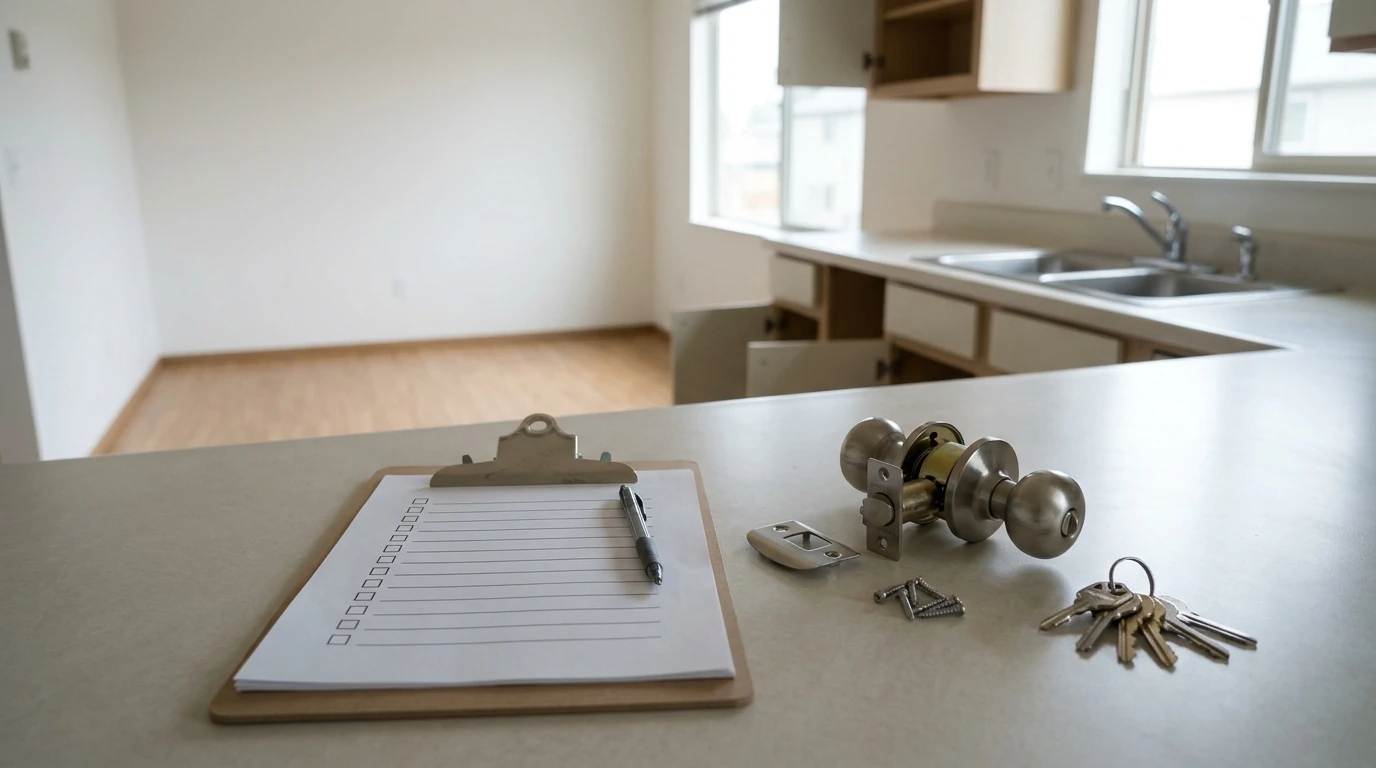
Once the scene is released, lock the unit and limit access. Changing or rekeying the lock is common, since you may not know who else holds a key. Keep the spare in a sealed envelope, and record each time anyone enters, who they were and why.
Check the basics without disturbing belongings. Turn off running water or appliances left on. Make sure windows are closed and the heat is set high enough in winter to keep pipes from freezing. Leave utilities on unless your attorney advises otherwise, since cleanup crews and the family will need light, power and water. Collect mail and keep it unopened for the estate.
- Note the police incident number and the date of release.
- Photograph the unit's general condition from the doorway.
- Rekey or change the lock and log every entry.
- Keep perishable food and pets in mind; ask the family how they want them handled.
Handling belongings without overstepping
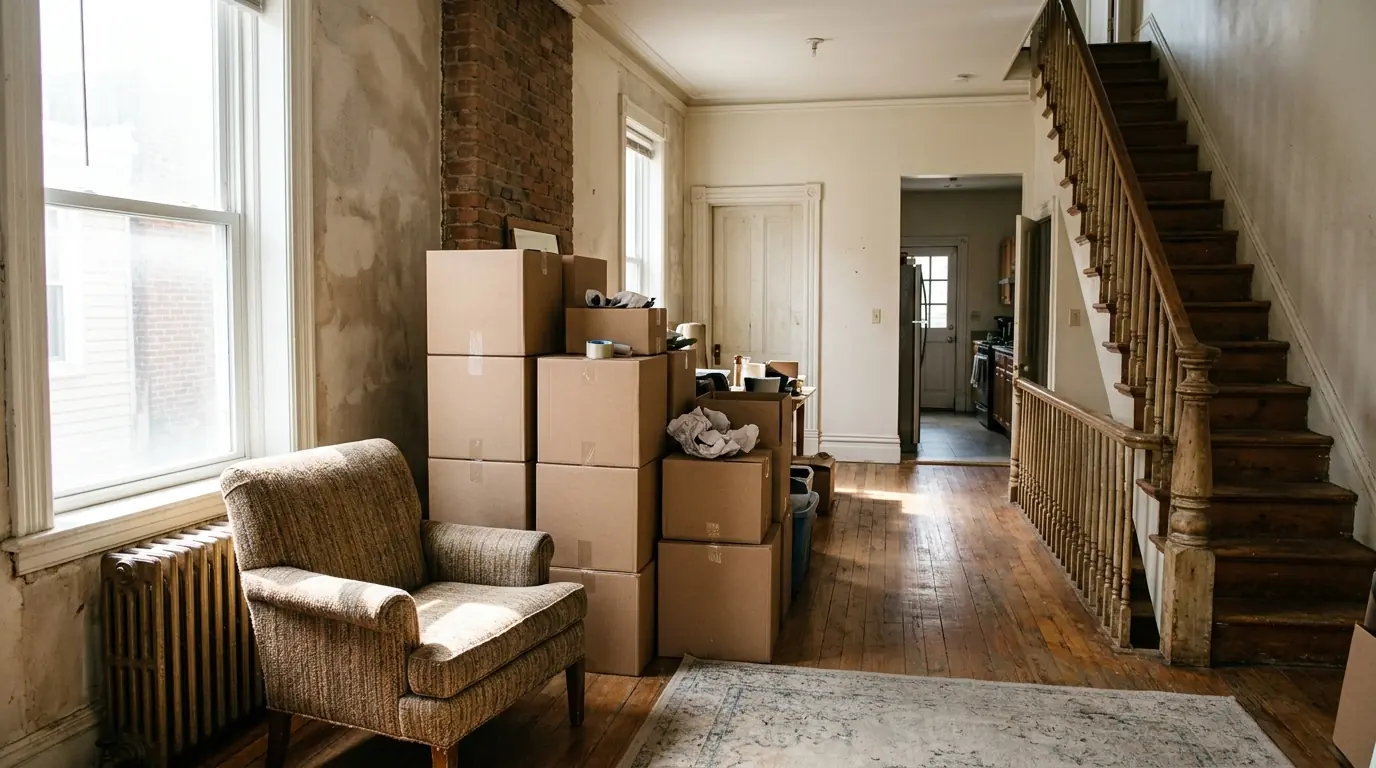
A tenant's possessions belong to the estate, not to the landlord, even when rent is unpaid. Do not throw out, sell, donate or move personal property on your own. Pennsylvania has specific rules about a deceased tenant's belongings, and the right process depends on the lease, the estate and the timeline. This is a question for your attorney, not something to guess at.
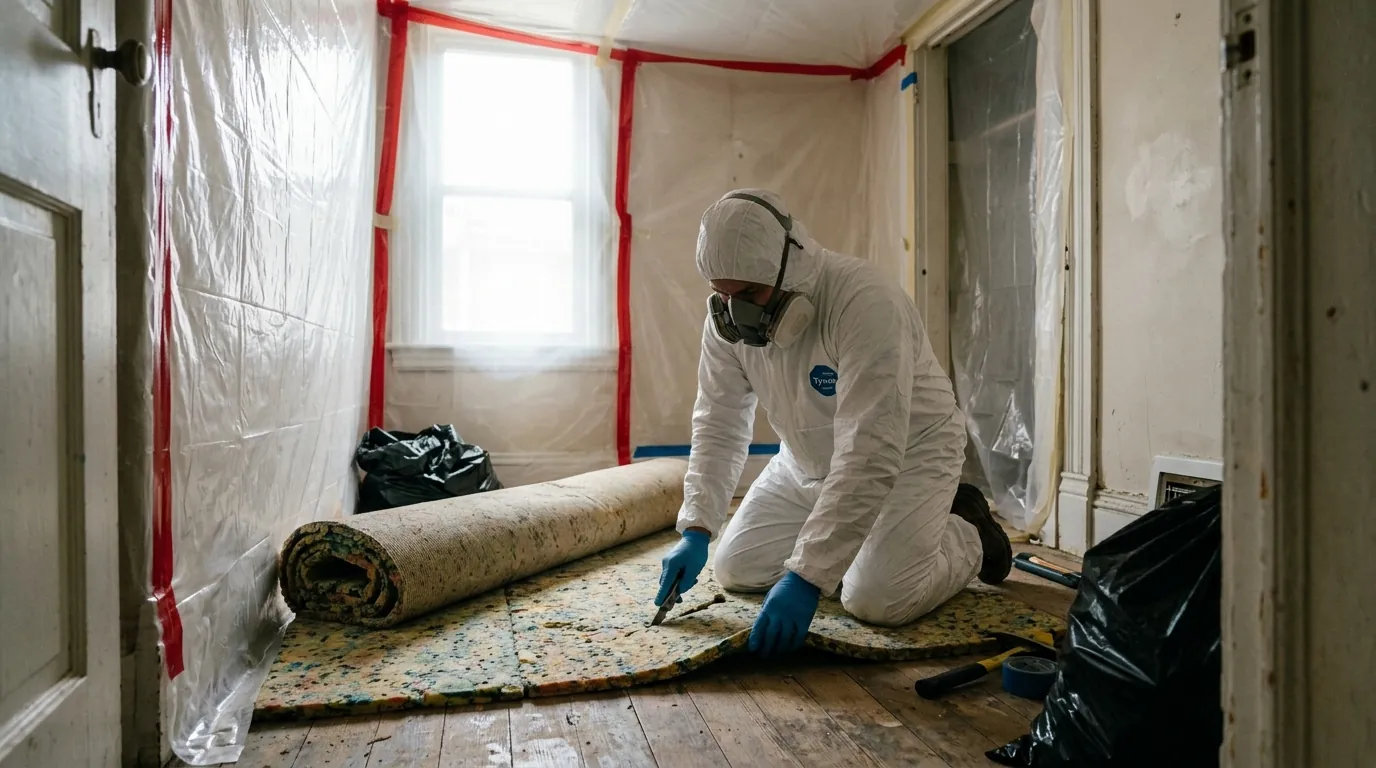
What you can do is make the unit easy for the family to work in. Offer reasonable access times, provide boxes or a key schedule, and keep a written record of anything they remove. If an item may be affected by bodily fluids, such as a mattress, couch or rug, let the family know it will need professional handling before anyone decides what to keep. Photographs, documents and keepsakes can often be cleaned and returned even when the furniture around them can't.
When the unit needs biohazard cleanup and odor removal
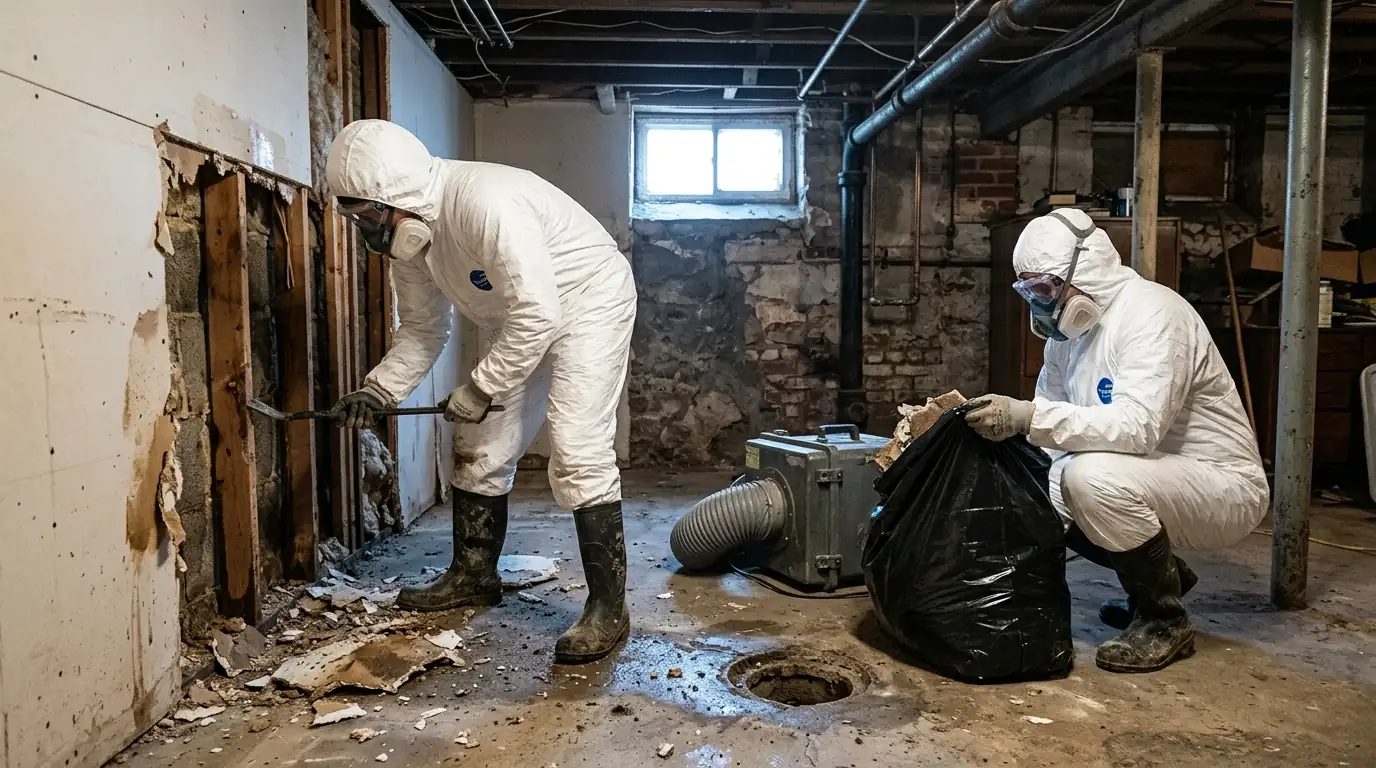
If the tenant was not found for some time, or if there was a fall or injury, fluids may have soaked into flooring, subfloor and furniture. Household cleaning will not fix this, and it can expose your maintenance staff to bloodborne pathogens. OSHA's bloodborne pathogens standard exists for exactly this kind of work, and maintenance staff should not be handed a mop and bleach.
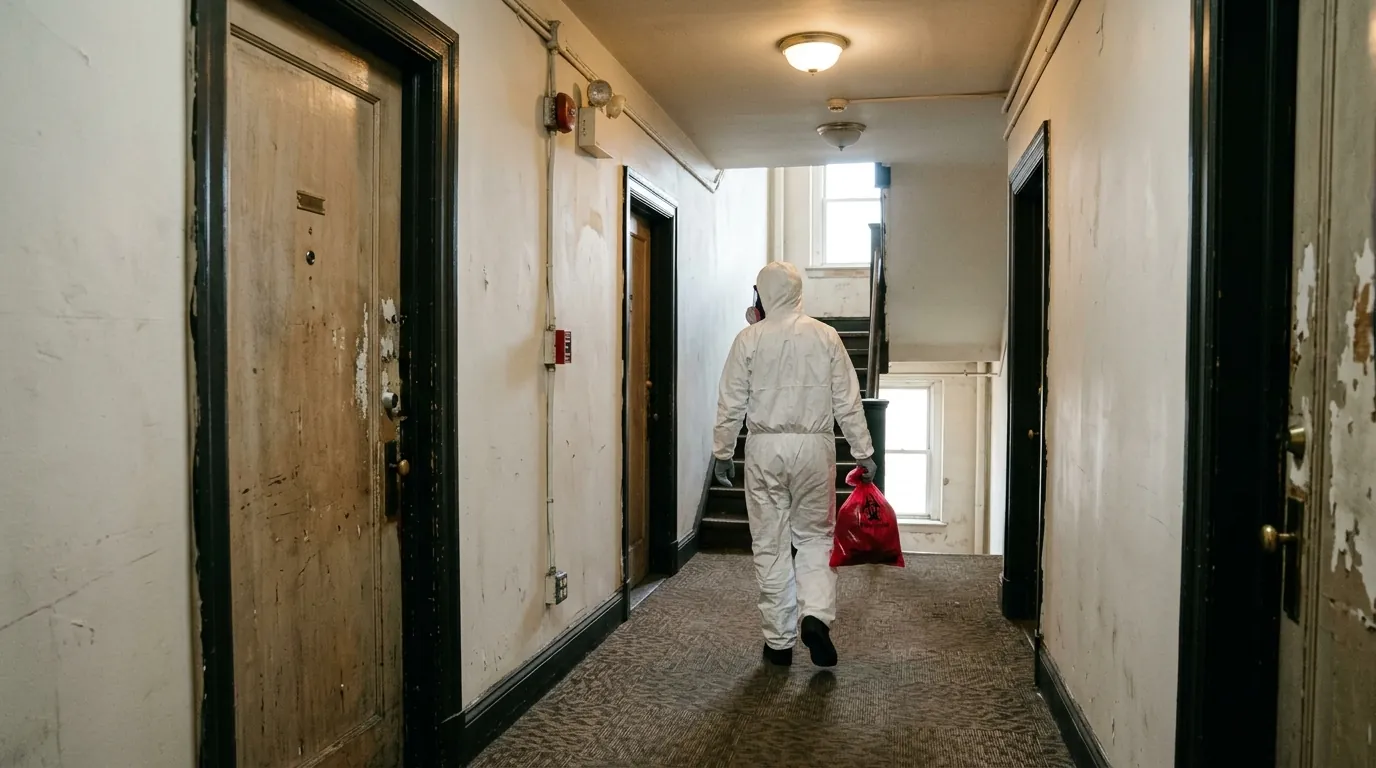
We handle these scenes across Philadelphia rowhomes, twins and apartment buildings. Our technicians remove affected materials, package them as regulated medical waste for a permitted facility, disinfect with EPA-registered products and treat the odor at its source. In multi-unit buildings, we also check shared walls, ceilings and the unit below, since fluids and odor travel through floor joists and plumbing chases. We coordinate with the family about personal items before anything is removed. Call (267) 699-2329 at any hour and we can walk you through what to expect.
Documentation that protects you
Good records make every later conversation easier, whether it's with the estate, your insurer or your attorney. Keep the police report number, your contact log, entry records, photos and every invoice in one folder. Ask any cleanup company for a written scope describing what was removed and how the space was cleared.
Your landlord or commercial property insurance may cover cleanup and repairs after a sudden event, depending on the policy. Call your agent early and ask what they need. If the death involved a crime, the tenant's family may be eligible for help through the Pennsylvania Victims Compensation Assistance Program, which can sometimes cover crime scene cleanup for eligible victims' families.
Questions to bring to your attorney
Several issues after a tenant's death are legal ones, and the answers vary by lease and circumstance. We are not lawyers and this guide is not legal advice. Talk to your attorney before acting on any of these points.
Common questions include how the lease ends, what rent or charges the estate owes, how the security deposit is handled and returned, how long you must store belongings, and what to do if no family or estate representative appears. Bring your documentation folder to that conversation. A short meeting early on usually saves time and avoids missteps later.
Ellsworth Bristow, Family Resources Editor, writes and updates our family guides from the questions callers ask our technicians every week. Last updated October 16, 2026.