Why hoarding is not a matter of laziness or mess
Hoarding disorder is recognized as a mental health condition. People who hoard feel real distress at the thought of discarding things, and they often attach meaning, memory or future usefulness to items others would call trash. Many have lived through loss, trauma or long stretches of isolation. Some know the home has become a problem and feel deep shame about it. Others honestly don't see how serious things have become.
Knowing this changes how you speak. Arguments about whether something is junk usually go nowhere, because the item isn't the point. The feelings are. Your loved one may also be fiercely independent, especially an older parent who has lived in the same Philadelphia rowhome for decades. Respecting their right to make choices about their home, while being honest about your worry, is the balance you are trying to strike.
How to open the first conversation without starting a fight
Pick a quiet moment when neither of you is rushed or upset. Talk in person, ideally away from the cluttered rooms, perhaps over coffee at a corner diner. Lead with care. Say what you've noticed and why it worries you, for example that you are scared they could fall on the stairs, rather than saying the place is a disaster.
Then listen. Ask what the home feels like to them, what matters most, and what they would want if things were easier. Avoid words like garbage, junk or hoarder, which tend to shut people down. Don't touch, move or comment on specific items during this first talk. If they get defensive, let it rest and say you'll come back to it another day. One honest conversation that ends kindly is worth more than a long one that ends in shouting, and it may take several visits before your loved one agrees to anything.
Why forced cleanouts usually backfire
When a home gets bad enough, families sometimes rent a dumpster and clear everything over a weekend, occasionally while the person is away. It feels decisive. In practice, it often causes intense grief and anger, breaks trust for years, and the home tends to fill again because the underlying condition was never addressed.
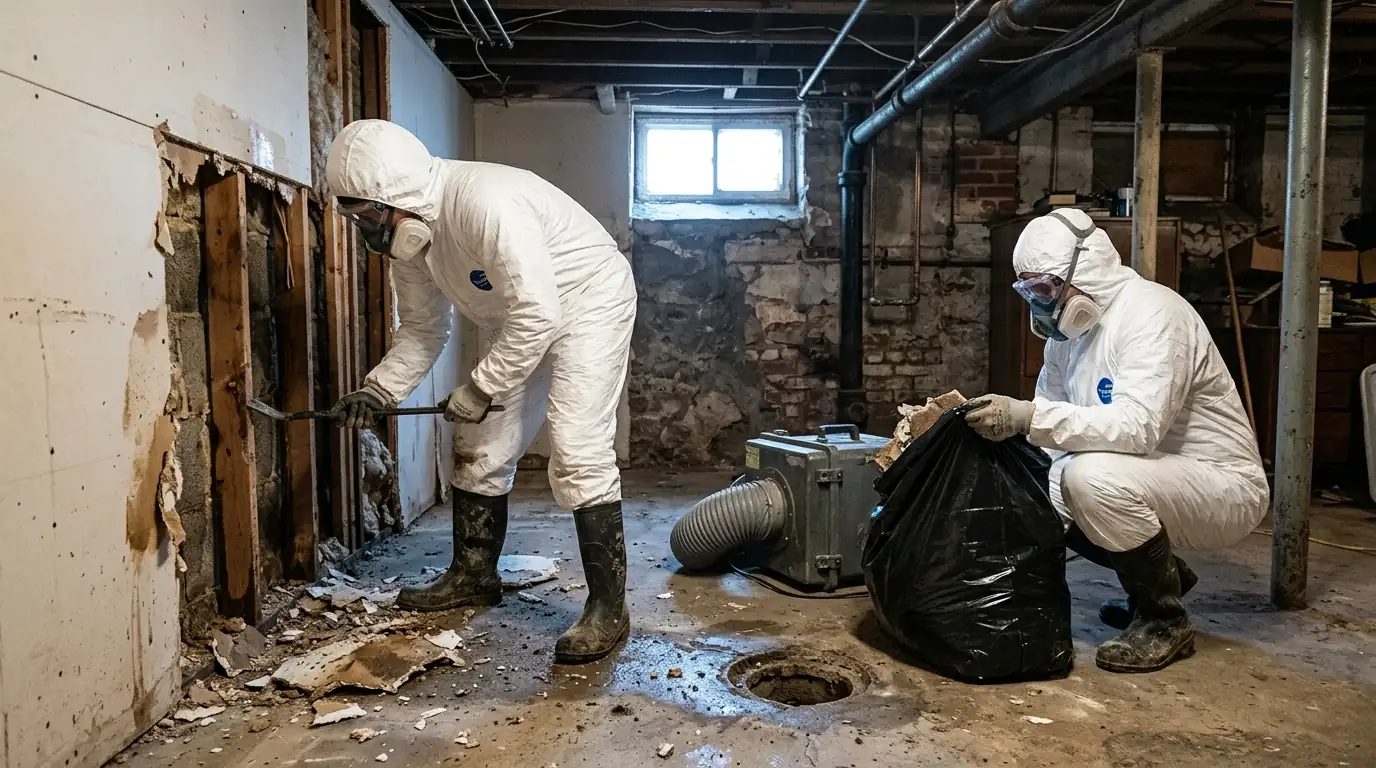
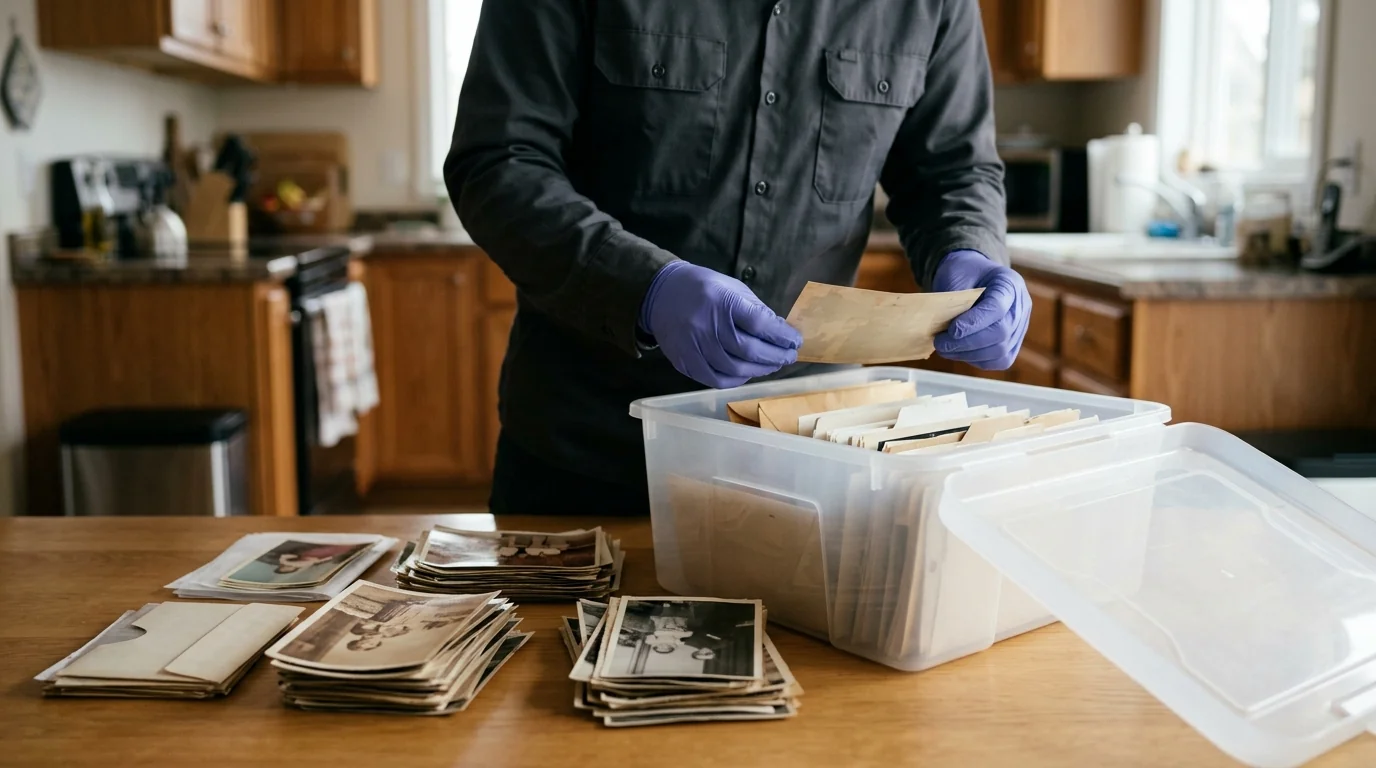
Sometimes outside pressure can't be avoided: a city violation, an eviction notice, a fire risk to attached neighbors, or a health emergency. Even then, involving the person in decisions, however small, makes a real difference. Let them choose which room comes first, which boxes they want to sort themselves, and which items are off limits. When our crew works in a hoarded home, we follow the same principle. We work alongside the owner or the family member they choose, we ask before anything leaves, and we set aside papers, photographs and valuables for review.
Safety priorities worth agreeing on first
If you can agree on only one or two things, choose the ones that protect life. Framing the work around safety rather than tidiness is often easier for a loved one to accept.
In Philadelphia rowhomes, a fire in one house can reach the homes on either side, and blocked narrow stairways make rescue much harder. Residents can ask Philly311 about the Fire Department's free smoke alarm installation, which can be a gentle first step that brings no judgment into the house.
- Clear paths to the front and back doors and to every bedroom
- Working smoke and carbon monoxide alarms on each floor
- Open space around the furnace, water heater, stove and electrical panel
- Stairs and landings kept free of piles to prevent falls
- Spoiled food, droppings and standing water removed from kitchens and baths
- Medications and important papers kept where they can be found
Harm reduction: a safer home even if some clutter stays
Harm reduction means accepting that the home may not become clutter-free soon, and working on what lowers risk right now. It is widely used with hoarding because it respects the person's pace and keeps the relationship intact.
In practice, that might mean clearing a single route through the house this month and the kitchen next month. It might mean removing only what is clearly unsafe, like rotten food, animal waste or boxes stacked against a heater, while leaving the rest alone for now. Agree on simple rules together, such as nothing stored on the stairs, and notice each small change out loud. Keep visits regular and talk about other things too. Your loved one is more than the condition of the home, and visits that are always about clutter start to feel like inspections. Progress that looks slow from the outside is often hard won from the inside.
When an outside crew makes sense
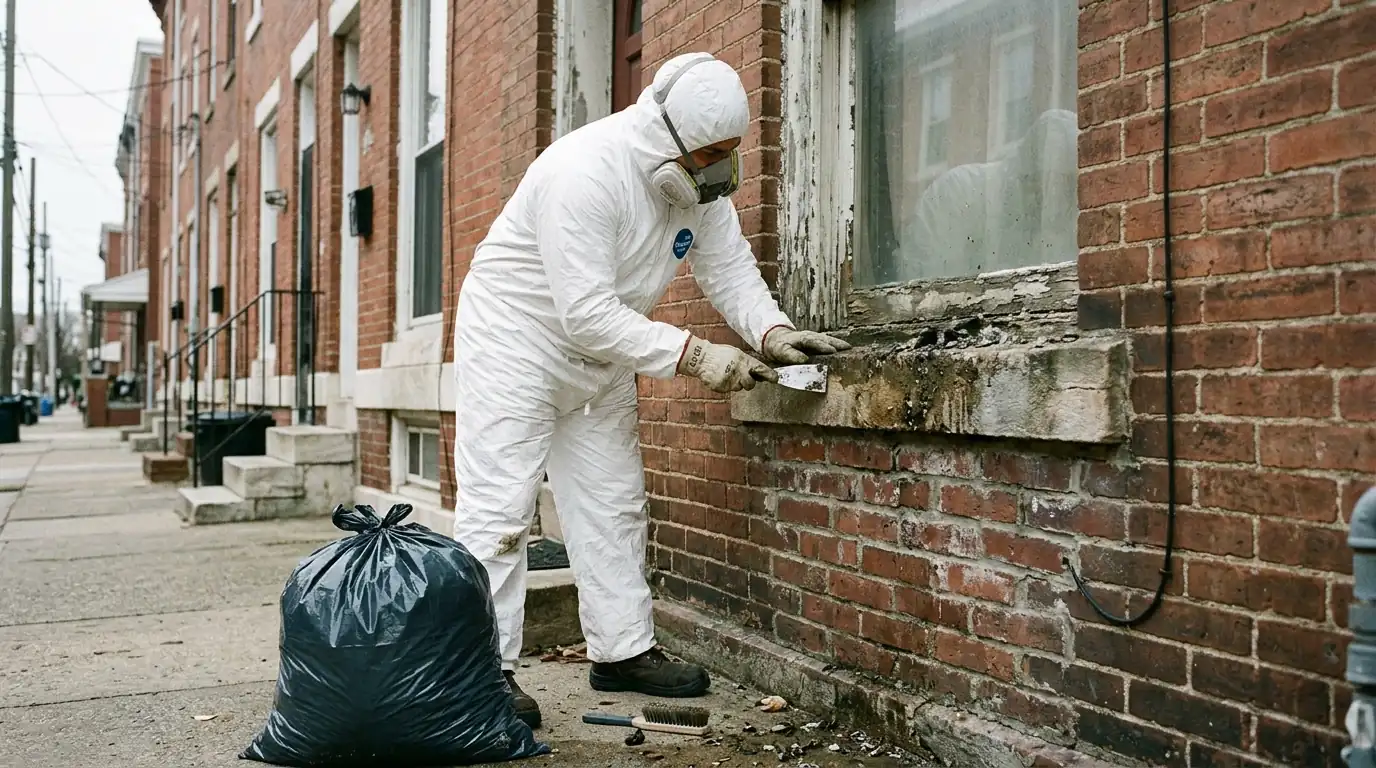
Some homes reach a point where family alone can't do the work safely. Warning clues include rodent droppings or urine odor through the house, mold, sewage problems, large amounts of spoiled food, too many animals, sagging floors, or a recent death in the home. These conditions bring real health hazards, from diseases carried in rodent droppings to ammonia from animal urine, and they call for protective gear and proper disposal.
A respectful crew can also take emotional pressure off the family. Our technicians work room by room, sort items into keep, donate and discard piles with the owner's input, and treat soiled areas with EPA-registered disinfectants. We don't arrive with judgment, and we don't discuss the home with neighbors on a crowded block. If you'd like to talk a situation through before raising it with your loved one, call (267) 699-2329 at any hour.
Support for your loved one and for you
Lasting change usually comes from support for the person, not from cleaning alone. Cognitive behavioral therapy designed for hoarding is the most studied treatment, and a primary care doctor can help find a therapist who offers it. Peer-led groups based on the Buried in Treasures workshop meet in many places, including online, and offer a low-pressure place to begin.
For an older adult, the local area agency on aging can help families find case management and in-home services, and Pennsylvania's older adult protective services can step in when someone is at serious risk. Philly311 can point you toward city programs. Caregivers need support as well. Relatives of people who hoard often carry years of frustration and sadness, and counseling or a family support group can help you stay patient for the long run.
Ellsworth Bristow, Family Resources Editor, writes and updates our family guides from the questions callers ask our technicians every week. Last updated October 16, 2026.