How a hoarded home usually comes to the city's attention
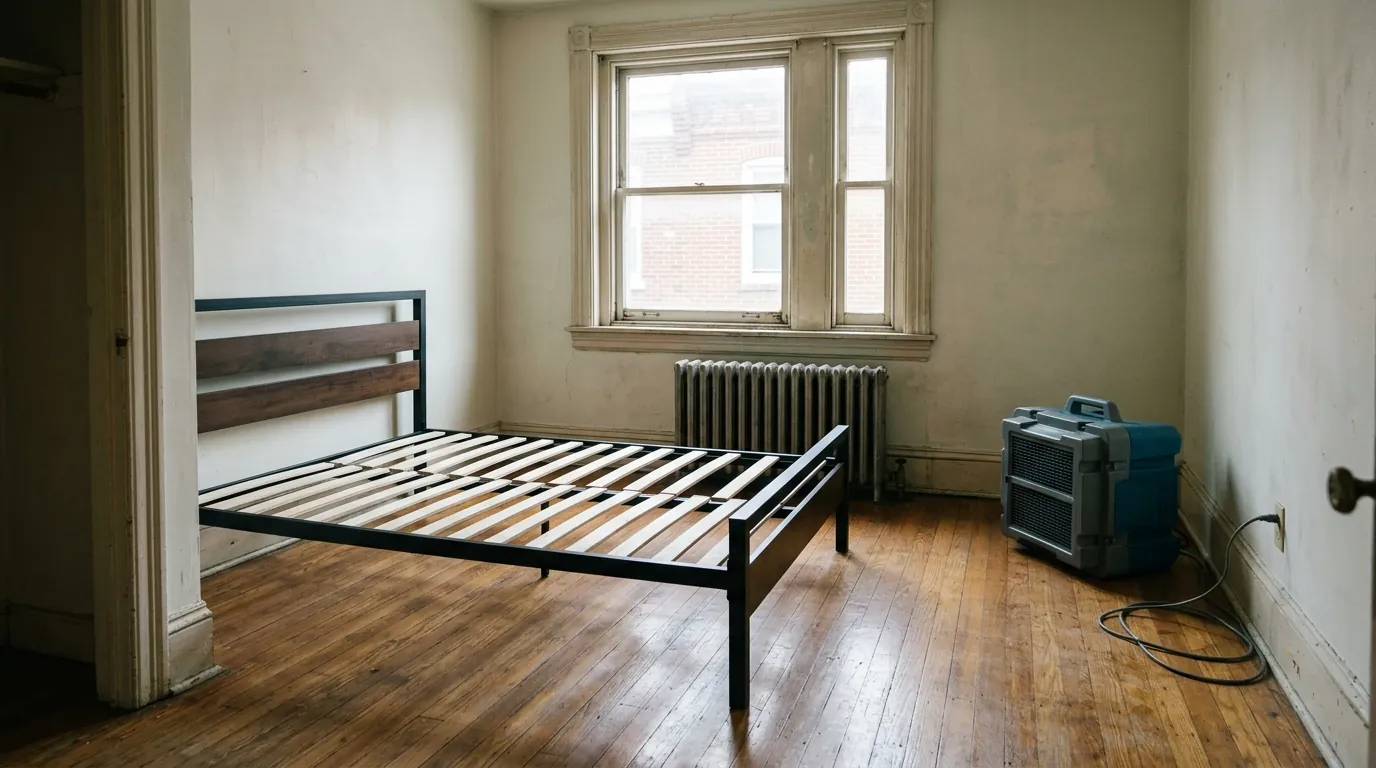
Most cases start from outside the house. A neighbor in an attached rowhome smells something through the party wall, sees mice coming from next door, or worries about trash piled in the rear yard. Someone calls Philly311, which logs the concern and routes it to the right department. Other times a fire company, a police officer on a welfare check, a utility worker or a home health aide sees conditions inside and reports them.
The owner or tenant often learns about the complaint only when an inspector knocks or a notice arrives. That can feel like an ambush, especially to a person who already feels ashamed of the home. It helps to remember that the inspector's job is to document hazards, not to judge anyone's character. Complaints about clutter that stays inside a home and creates no hazard may go nowhere. Complaints about blocked exits, rodents, fire load or a failing structure are the ones that tend to move forward.
What L&I generally looks at during an inspection
Philadelphia's property maintenance and fire codes cover conditions that put occupants, neighbors or first responders at risk. In a hoarded home, inspectors commonly note a short list of problems. Each one on your notice will usually be listed with a code section and a description of what needs to change.
Not every home will have all of these, and the exact items depend on what the inspector observes. Ask the inspector or the department to explain any item you don't understand, since a plain reading of the code language can be confusing.
- Blocked exits, hallways, stairs or windows needed for escape
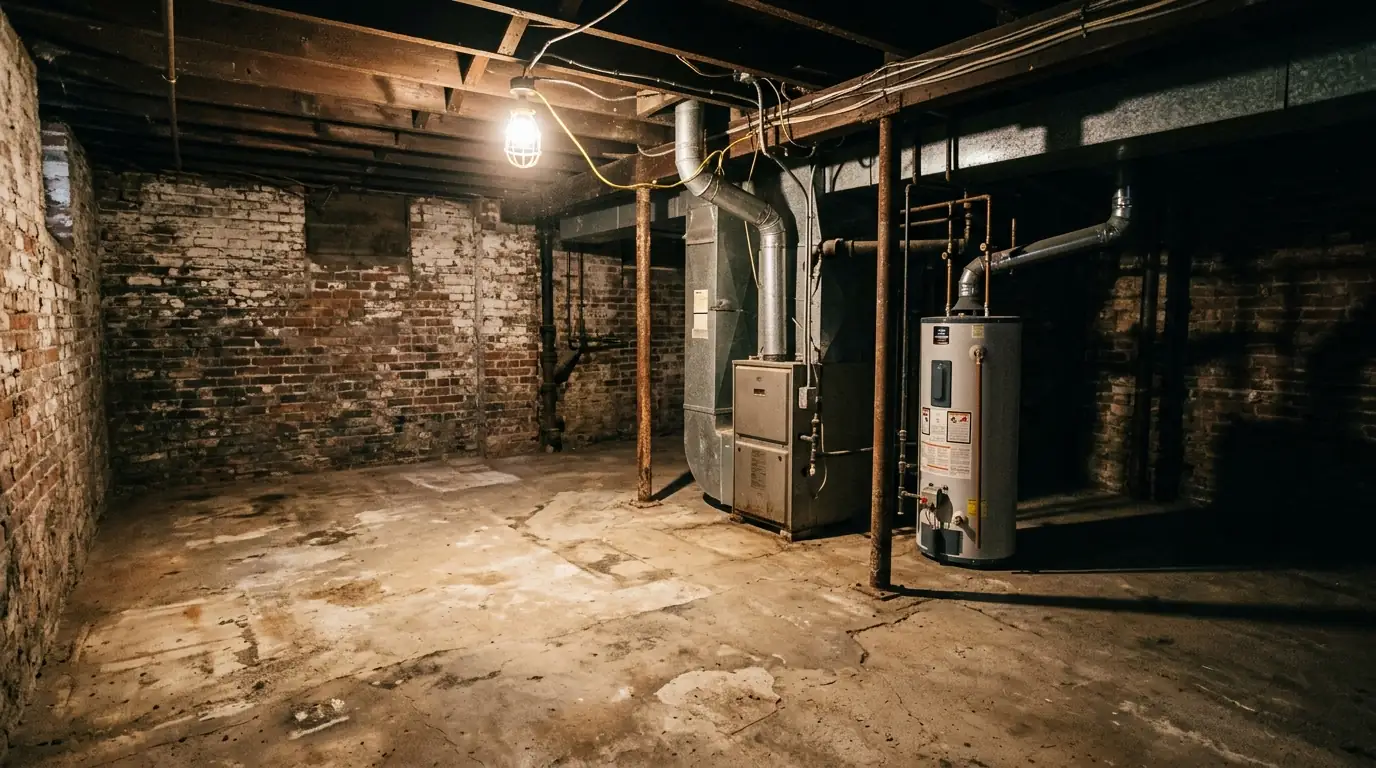
- Combustible material piled near furnaces, water heaters, stoves or wiring
- Rodent or insect infestation and accumulated waste
- Sanitation problems such as unusable toilets, sinks or kitchens
- Overloaded floors or visible structural damage
- Exterior trash, debris or overgrowth in yards and alleys
Why fire and structural risks come first
In an attached row, a fire that starts in one house can spread to its neighbors, and heavy contents give it a great deal of fuel. Firefighters entering a hoarded home face blocked doors, collapsing piles and narrow paths through smoke. That is a big reason the city takes these cases seriously, and why fire hazards are usually the first items any good plan tackles.
Weight is the other concern. Paper, books, magazines and wet materials are much heavier than they look, and older Philadelphia homes have wood joists that may already be aging or damaged by leaks and pests. Sagging ceilings, cracked plaster or floors that bounce underfoot deserve attention before anyone starts moving large loads. When we work in these homes, our crew clears exit paths and the area around heating equipment first, and we move weight off upper floors gradually rather than stacking everything at the bottom of the stairs.
Reading the deadline on the notice
The notice sets the timeline, not a general rule, so the only dates that matter are the ones printed on yours. Some items may carry short deadlines because they are immediate dangers. Others may allow more time. The notice should also explain how a reinspection is arranged and whether there is a way to appeal or ask for more time.
Write every deadline on a calendar the moment the notice arrives, and keep the original document somewhere safe. If the person who lives there is not the owner, make sure the owner sees it as well. Missing a deadline can lead to further enforcement, and the possible consequences vary from case to case. We don't give legal advice and won't guess at penalties. An attorney who handles property or code matters in Philadelphia can explain what your notice means, what options exist, and how to respond in writing if you need extra time.
Showing progress the inspector can see
Inspectors generally care about whether the hazards on the notice are gone, not whether the home is spotless. That is good news for families, because it means a focused plan aimed at the listed items can meet the requirements while leaving room for the person to keep much of what matters to them.
Keep a simple record as work happens. Take dated photos of each room before and after, save receipts for dumpsters, haul-away and repairs, and hold on to any written plan from a cleanup crew. When we take on a code-driven job, we organize the work around the items on the notice, photograph each area, and leave you a written summary of what was removed, cleaned and disinfected. That paper trail can be useful at reinspection and in any conversation with an attorney or the department.
Keeping the person at the center of the plan
A deadline puts pressure on everyone, and it's tempting to clear the whole house in a weekend. That can meet the notice and still leave the person grieving, angry and likely to refill the home. Involving them in decisions, even small ones, tends to work better over the long run.
Agree on the hazard list first, since it's hard to argue with clear exits and a safe furnace room. Let the resident choose which room goes first and set aside a place for items they want to sort themselves. Our technicians sort with the owner or a chosen family member present, set aside photographs, papers and valuables for review, and never treat the home as a dump job. Support from a therapist familiar with hoarding, an area agency on aging for an older adult, or a peer support group can help the changes hold after the notice is closed.
Where families can turn for help
You don't have to sort this out alone. Philly311 can point you to city services and explain how to reach the right office about a specific notice. For an older adult at serious risk, Pennsylvania's older adult protective services can assess the situation. Legal aid organizations in the city may be able to help homeowners and tenants who can't afford a private attorney.
When the physical work is more than the family can do safely, a cleanup crew with protective gear and proper disposal can carry the heavy part. Rodent waste, spoiled food, animal urine and mold are common in long-term hoarding, and they call for respirators, disinfection and careful handling. If you'd like to walk through a notice and plan the work around its dates, call (267) 699-2329 at any hour.
Ellsworth Bristow, Family Resources Editor, writes and updates our family guides from the questions callers ask our technicians every week. Last updated October 16, 2026.