What hantavirus is and how people catch it
Hantaviruses are a family of viruses carried by certain rodents. In the United States, the illness people worry about is hantavirus pulmonary syndrome, a lung disease that starts like the flu, with fever, muscle aches and fatigue, and can later make breathing very hard. It is uncommon, but it can be severe, which is why public health agencies take it seriously.
People usually catch it by breathing in tiny particles from dried rodent urine, droppings or nesting material. That happens most often when someone sweeps out a shed, opens a cabin that has been closed for the winter, or moves boxes in a barn. Less commonly, it spreads through a bite or by touching contaminated material and then the mouth or nose. The hantaviruses found in the United States are not known to pass from one person to another.
Deer mice versus the house mice in a Philadelphia rowhome
The main carrier of hantavirus in North America is the deer mouse, a wild species with a white belly, white feet and large eyes. Deer mice favor fields, woods, wood piles, garages, cabins and outbuildings. They can turn up in suburban and rural parts of Pennsylvania and New Jersey, especially in homes at the edge of woods or in detached sheds.
Inside a city rowhome, the mouse in your kitchen is far more likely to be a common house mouse, a plain gray-brown animal that lives alongside people. House mice are not considered a main hantavirus carrier. That doesn't make their droppings harmless. House mice and Norway rats can spread salmonella, which causes food poisoning, and leptospirosis, a bacterial illness carried in urine. Rats can also carry fleas and other germs. If you can't tell which kind of rodent you have, treat the cleanup with the same care either way.
Where droppings pile up in older city homes
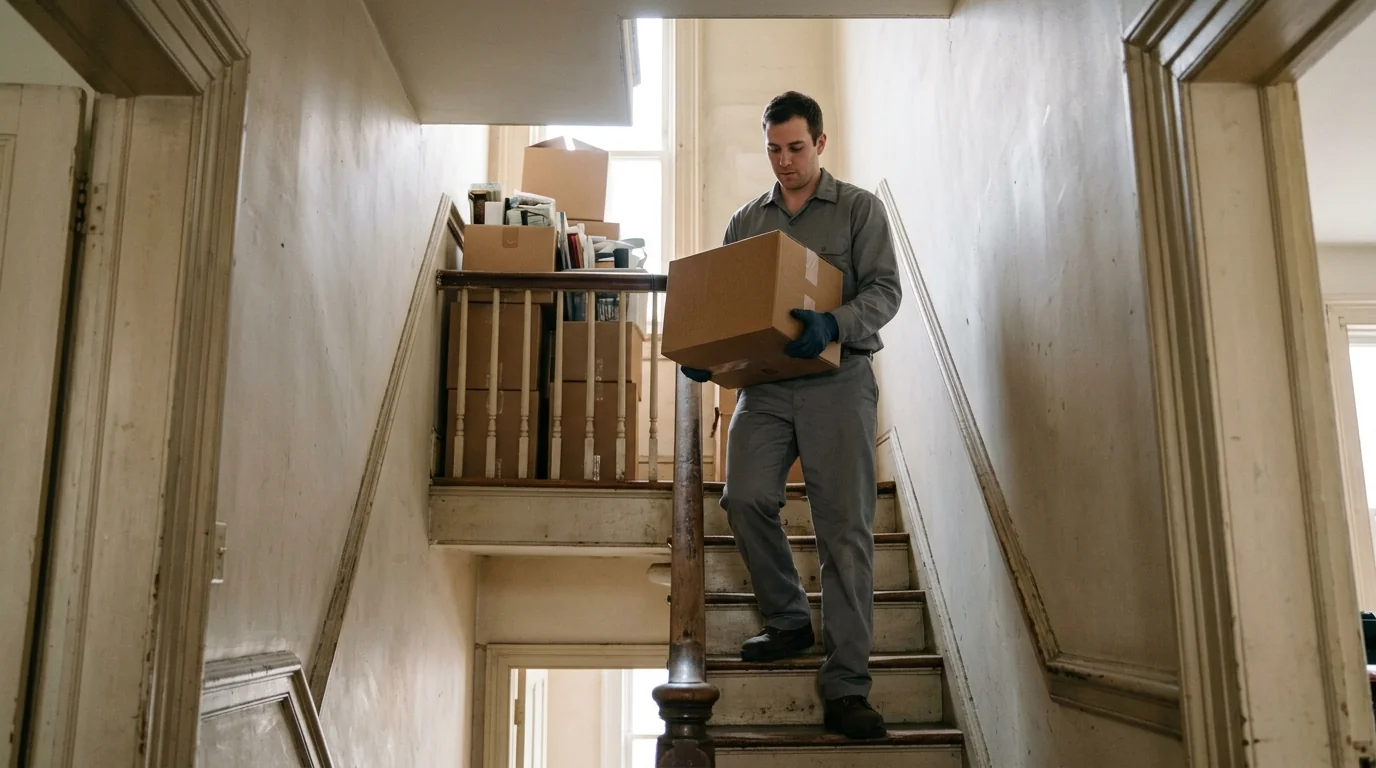
Mice travel along walls and hide where people rarely look. In Philadelphia housing, we tend to find the heaviest buildup in the same handful of spots, often far from where anyone has seen a live mouse.
Old rubble stone and brick foundations leave gaps around pipes and utility lines, and mice use them as doorways. Long-vacant properties and homes where an older owner has stopped using upper floors can hold years of buildup that has dried to dust.
- Under kitchen cabinets and behind the stove and refrigerator
- Basement ceilings between floor joists, especially near pipe runs
- Inside drop ceilings in converted offices and storefronts
- Attic insulation and knee walls in third-floor rooms
- Storage boxes, closets and stacked clothing that sit undisturbed

How to clean a small amount of droppings safely
A handful of droppings under a sink or along a pantry shelf is something most adults can clean safely with a little preparation. The aim is simple: keep the material wet so it never becomes airborne dust, and keep it off your skin.
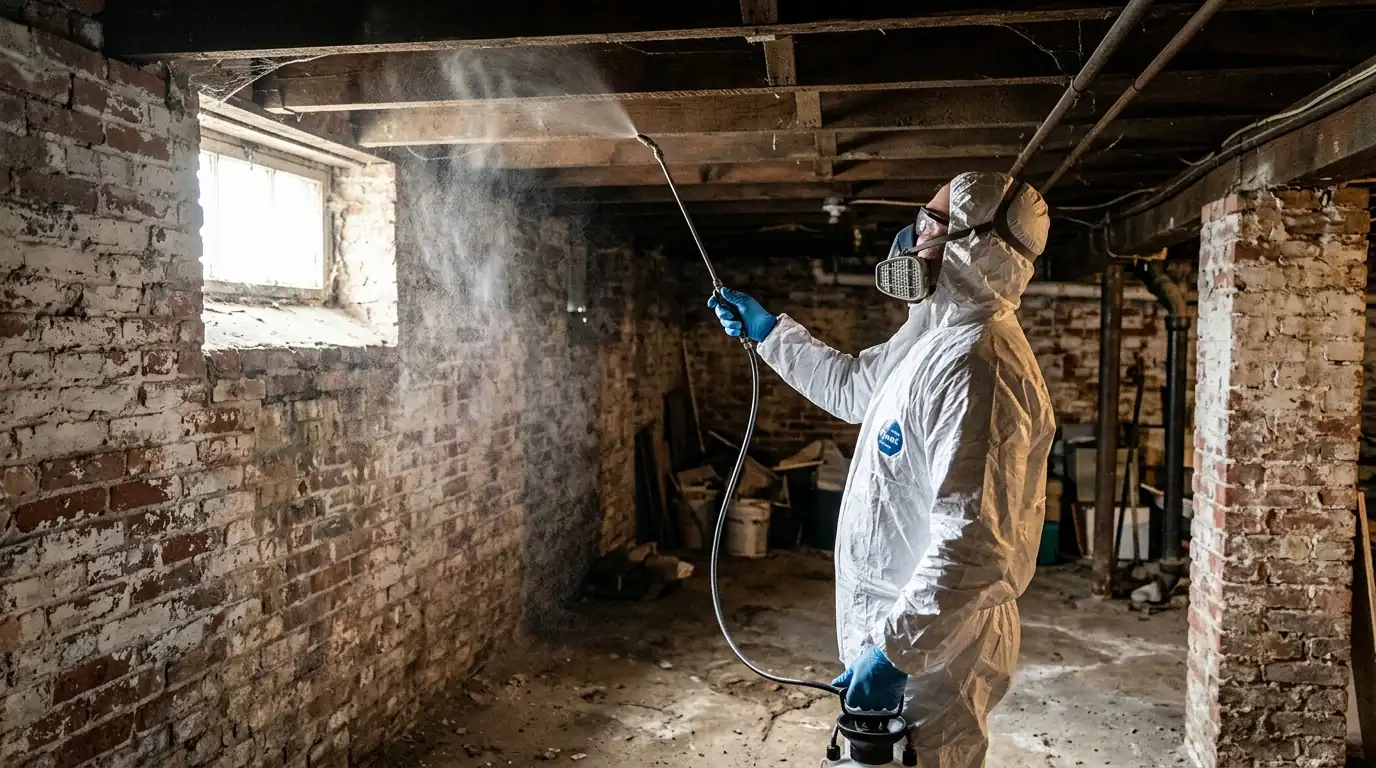
Start by opening windows and doors for at least half an hour so fresh air moves through the space, and leave the area while it airs out. Put on rubber or nitrile gloves. Spray the droppings and any nesting material with a disinfectant labeled for viruses, or a fresh solution of household bleach and water, until thoroughly soaked. Let it sit for the time printed on the label, often around five minutes. Then wipe everything up with paper towels, place them in a plastic bag, seal it, and put it in the outdoor trash. Disinfect the surface again, mop the floor, and wash your gloved hands before taking the gloves off, then wash your bare hands well.
Why sweeping and vacuuming make it worse
A broom or a household vacuum feels like the natural tool, and it is exactly the wrong one. Sweeping flicks dry particles into the air at face height. Most home vacuums push fine dust straight back out through the exhaust, and emptying the canister releases a second cloud. A shop vacuum without a true HEPA filter does the same thing more forcefully.
The same goes for blowing out an attic with a leaf blower or shaking out stored blankets. Anything that stirs dried rodent waste without wetting it first raises the exposure risk. Disposable dust masks give little protection against fine particles. If a job seems to need a vacuum, it is probably past the size of a home cleanup.
Signs the job is bigger than a weekend cleanup
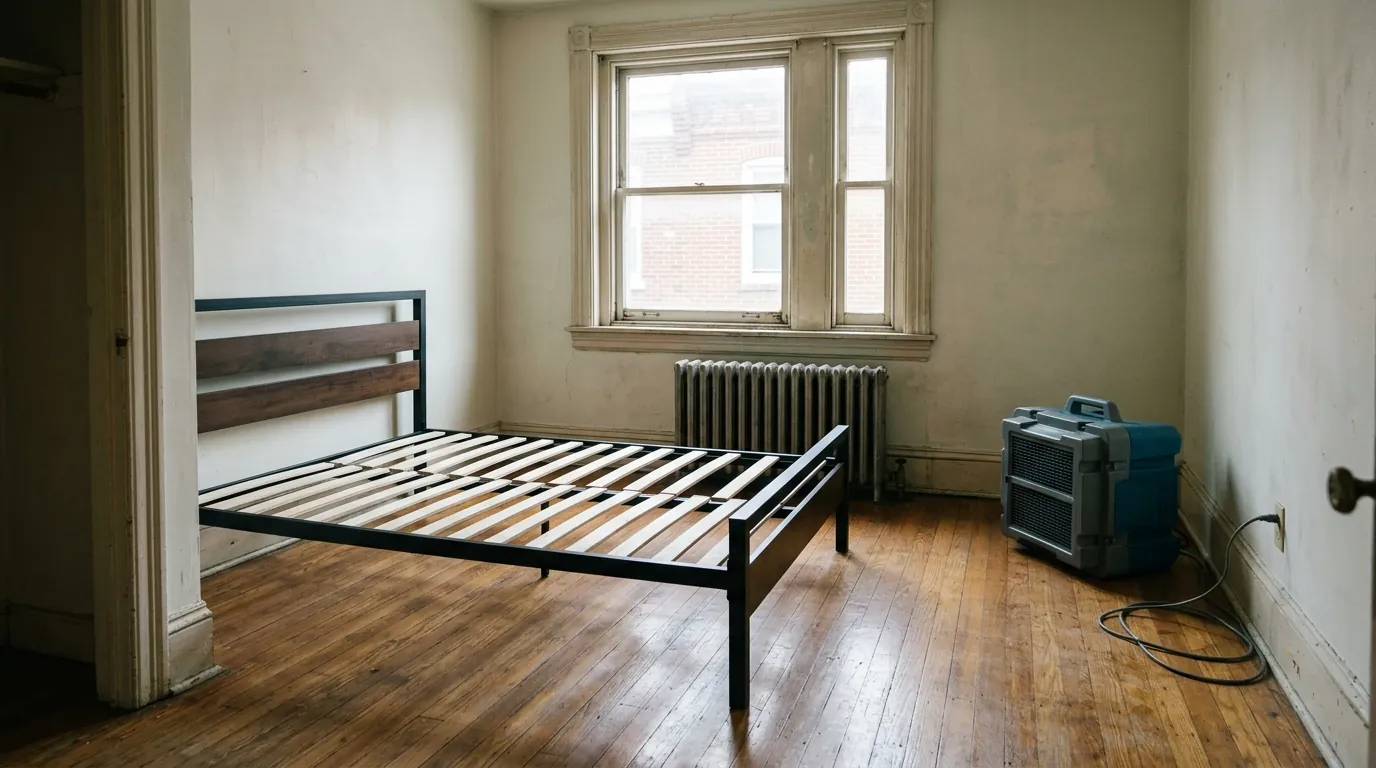
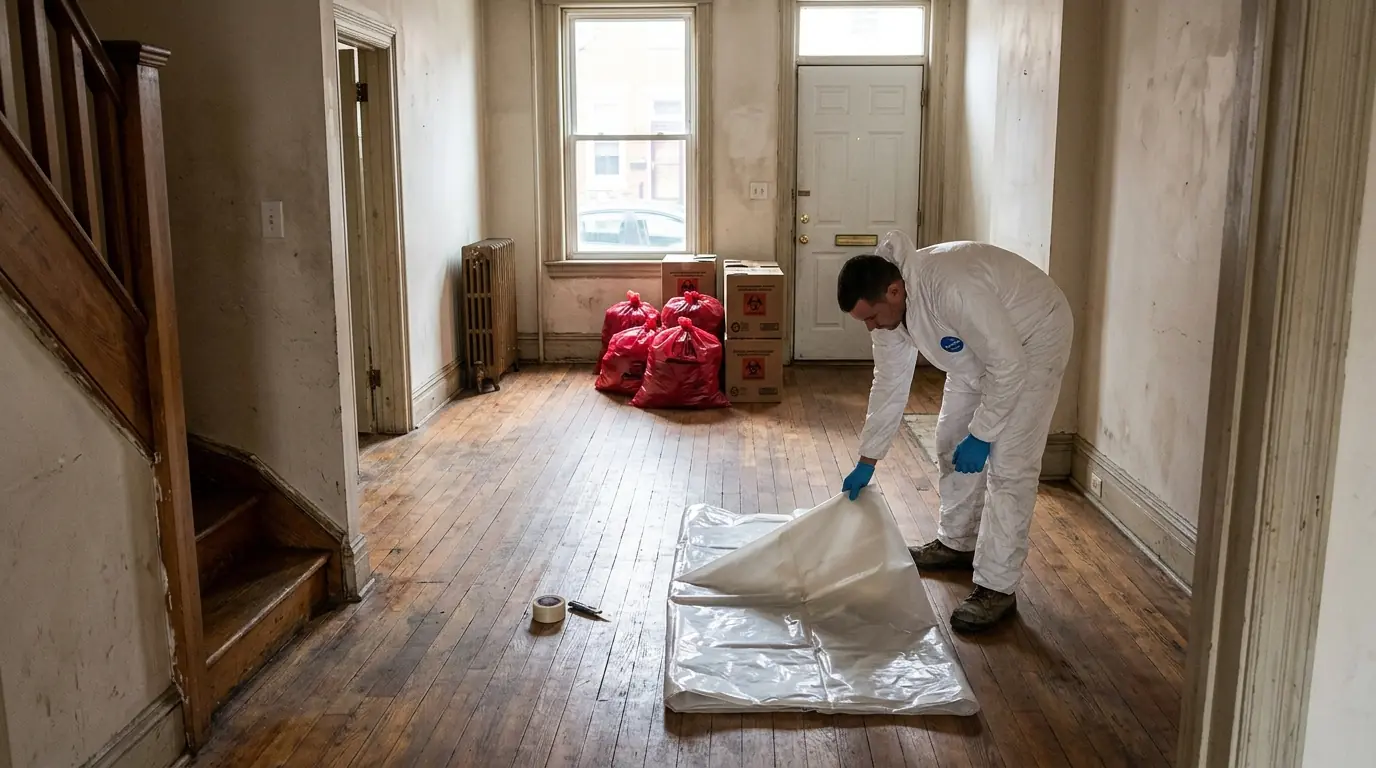
Some situations call for respirators, full protective suits and containment, which is how our technicians approach them. A heavy infestation is one. So is any space where droppings have mixed into insulation, because that material can't be disinfected and has to be removed with care.
Call a crew when droppings cover large areas of a basement, attic or crawlspace, when you find nests in insulation or ductwork, or when the property sat vacant for months. The same applies when anyone in the home is pregnant, elderly or has a weakened immune system, or when the space is a restaurant, child care room or rental unit. We wet down and remove contaminated material under negative air, bag it for disposal, disinfect with EPA-registered products, and can confirm surfaces with ATP testing. We work alongside your exterminator, since sealing entry points is what stops the droppings from coming back.
Symptoms to watch for after exposure
Most people who clean up mouse droppings never get sick. Still, it helps to know the early signs. Hantavirus symptoms usually appear between one and eight weeks after exposure and look like a bad flu: fever, deep muscle aches, tiredness, and sometimes headache, dizziness, nausea or stomach pain. Breathing trouble can follow several days later.
If you develop those symptoms after cleaning a shed, attic or vacant space, see a doctor and mention the rodent exposure specifically, since it changes what they look for. Salmonella and leptospirosis have their own symptoms, including stomach upset, fever and body aches. For anyone who has trouble breathing, call 911. If you have questions about a cleanup in your home or building, you can reach us at (267) 699-2329 any time.
Ellsworth Bristow, Family Resources Editor, writes and updates our family guides from the questions callers ask our technicians every week. Last updated October 16, 2026.